Featured Projects
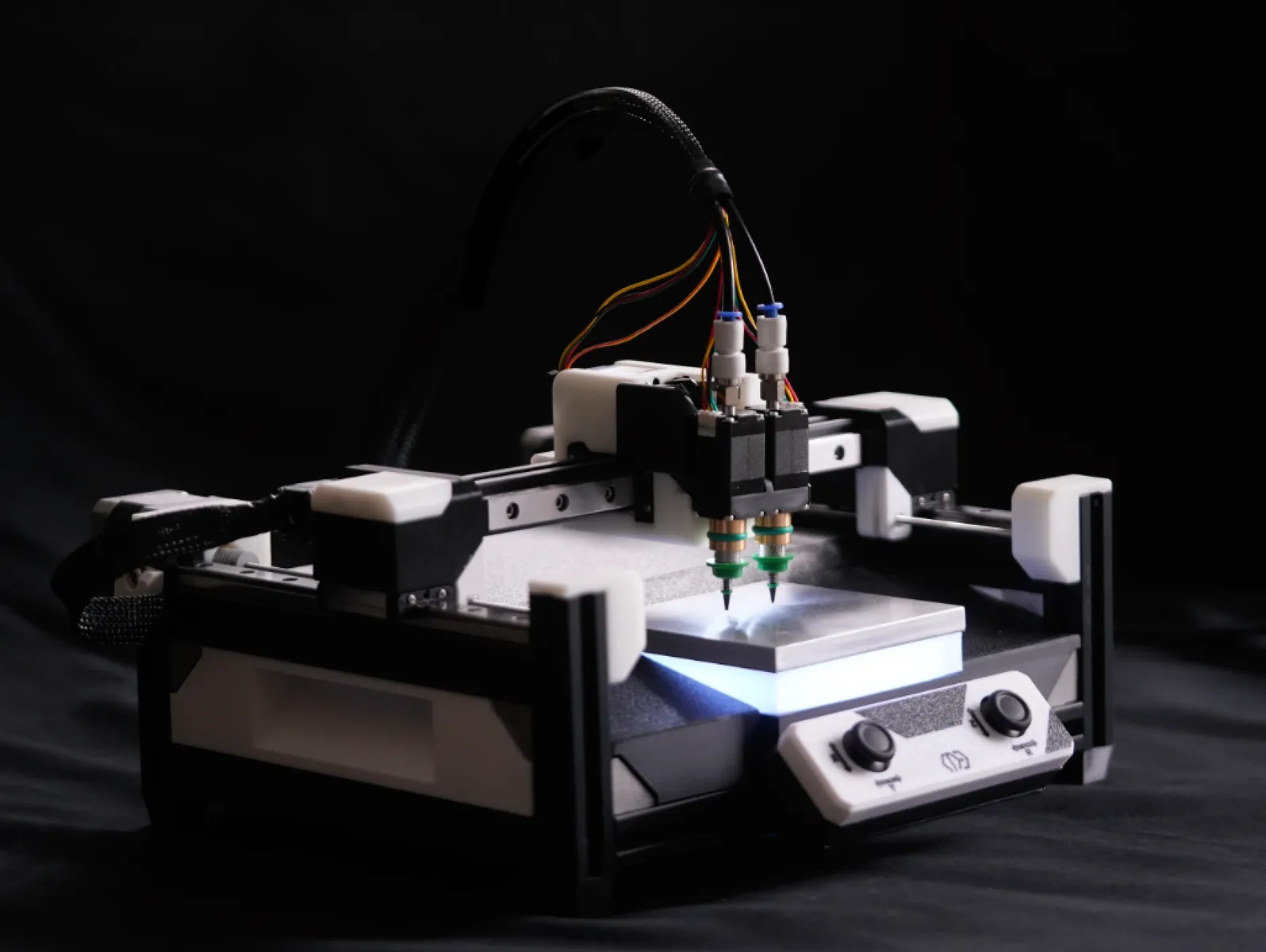
Pick and Place Machine
A machine to assemble precision circuit boards. Primarily for tiny hard-to-assemble components such as 0201s.
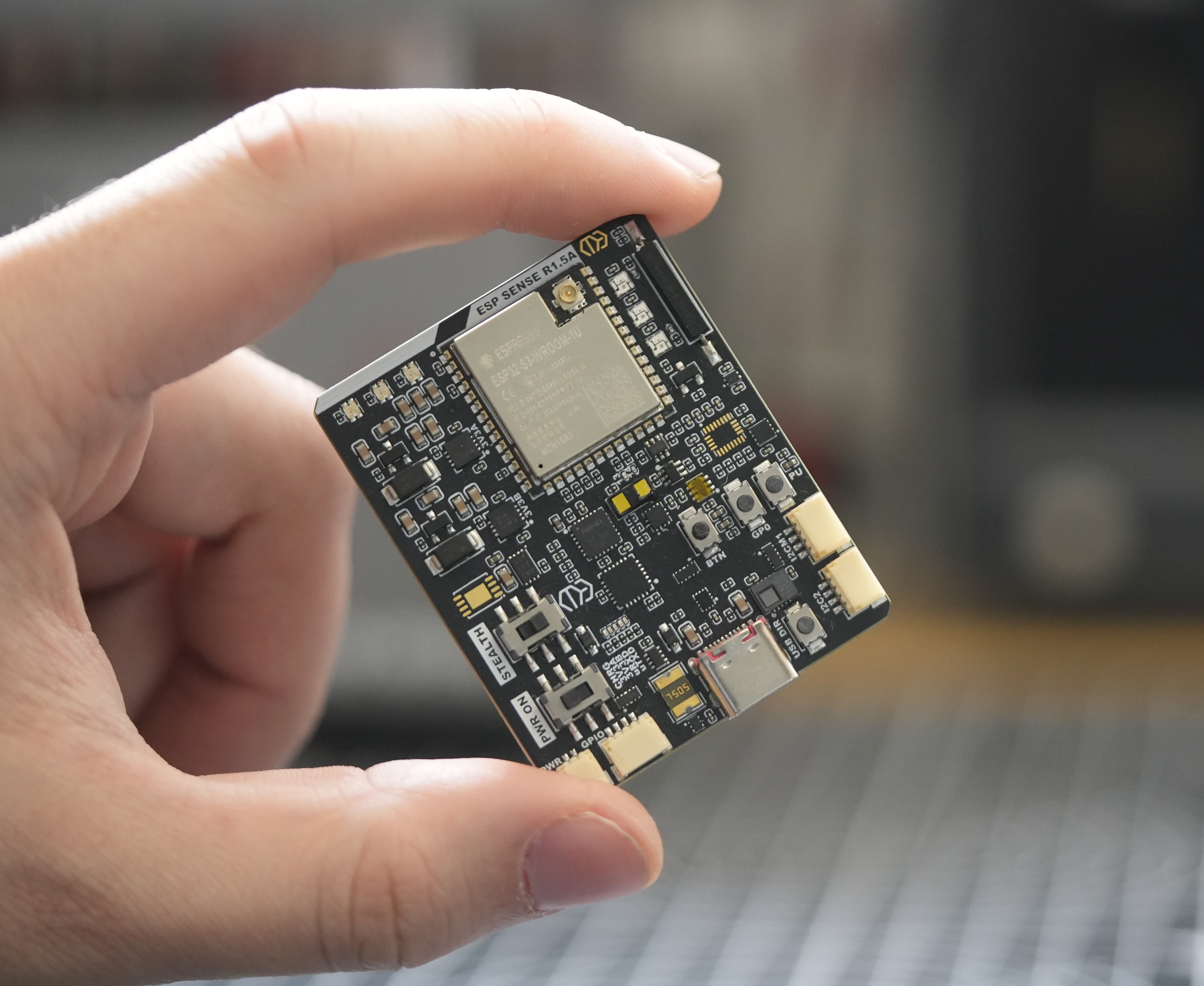
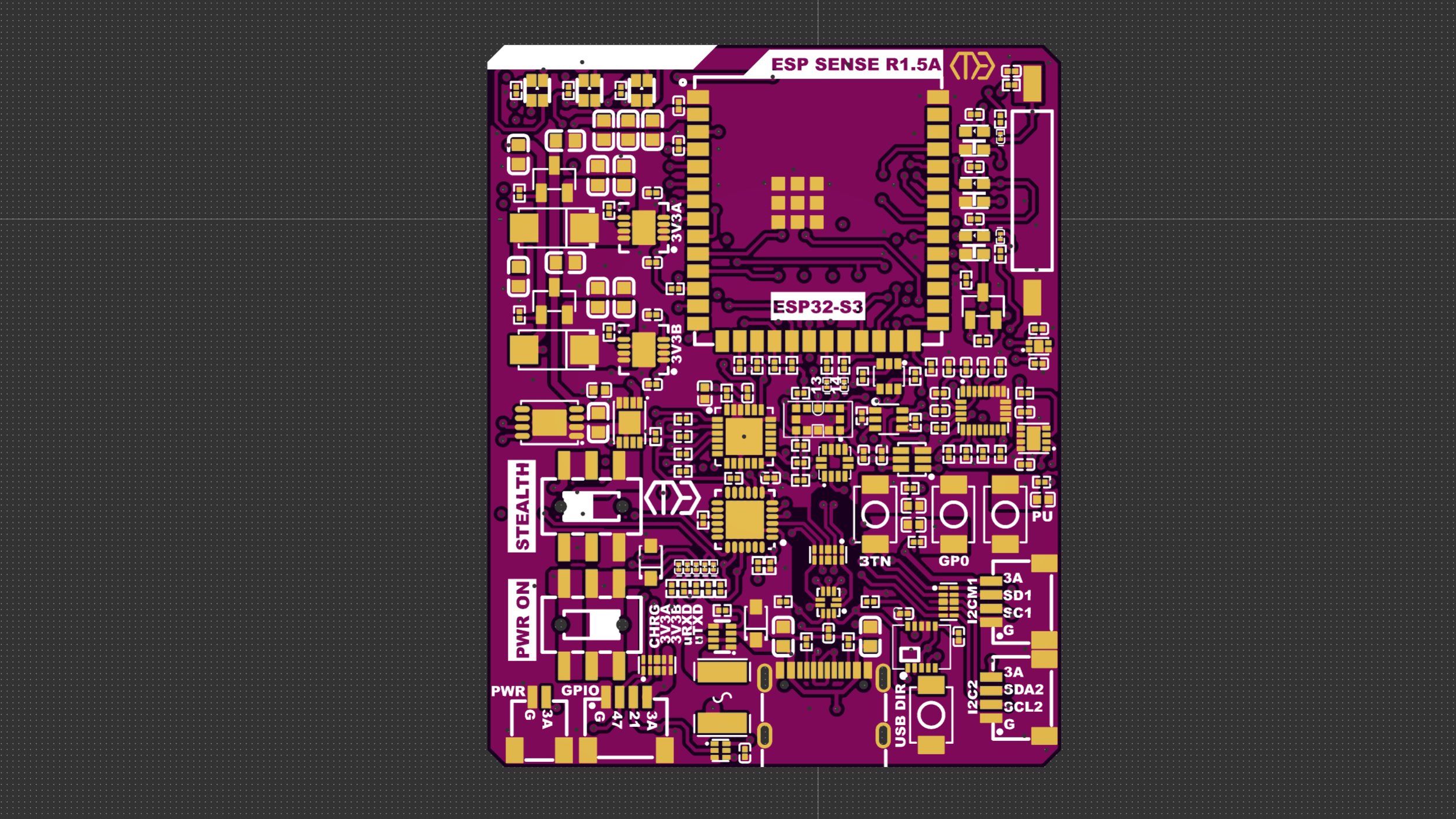
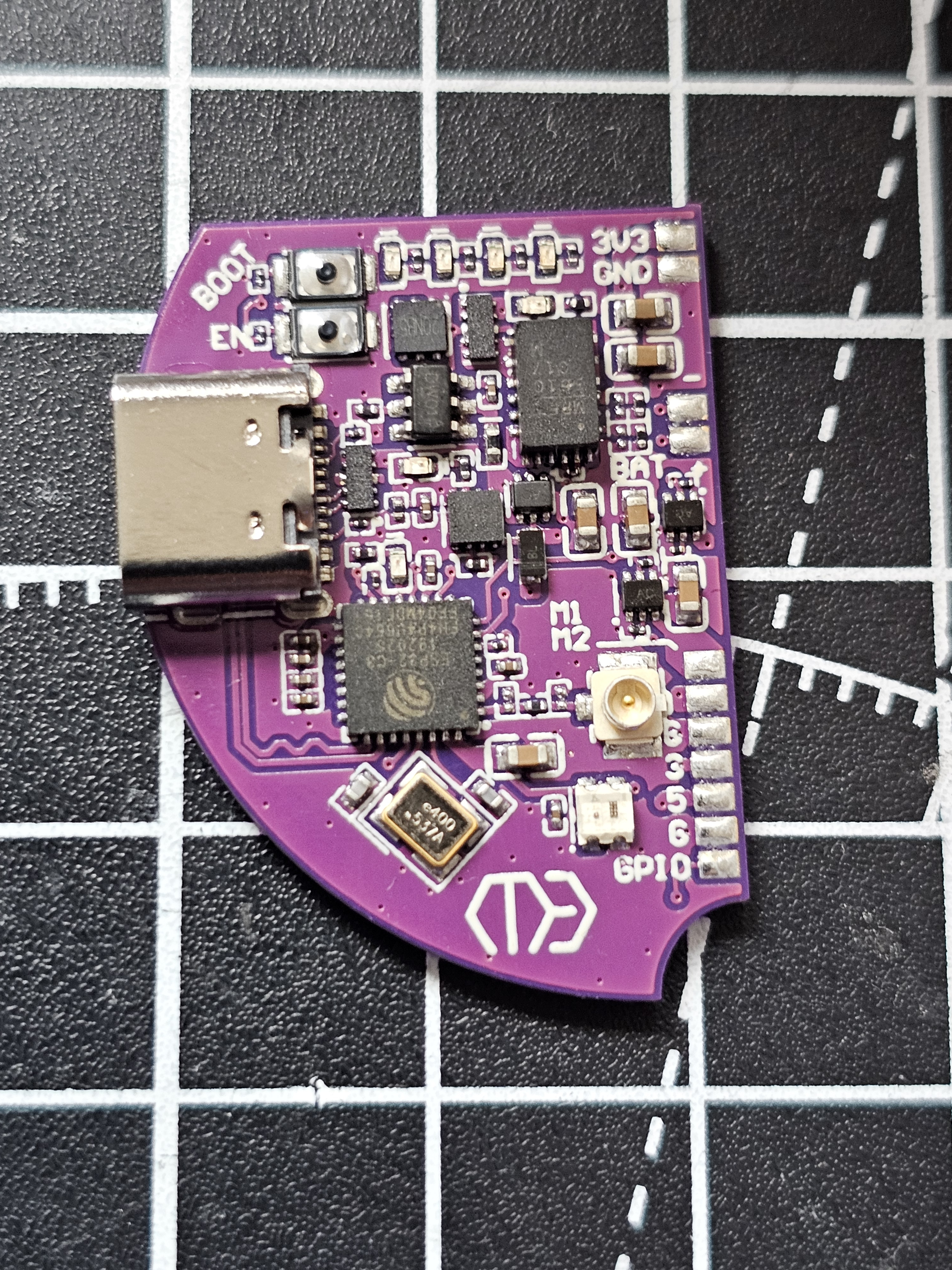
ESP SENSE
A portable security board with 8 sensors, including an IR motion detector, light sensor, 9 axis accelerometer, and distance sensor.
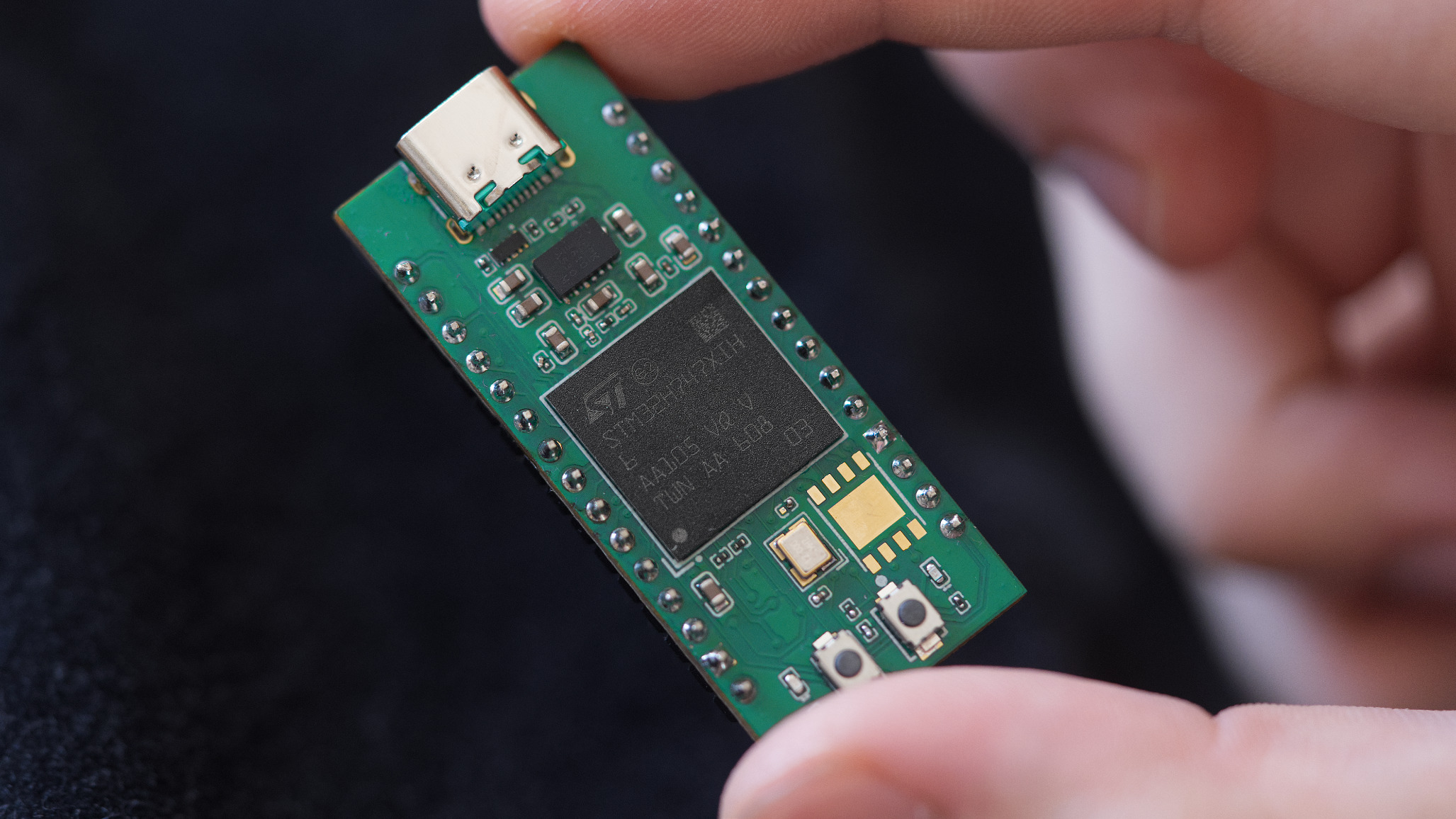
Cortex M7 Arduino
This project places a cutting-edge Arm processor (STM32H7) in the package of an Arduino Nano.
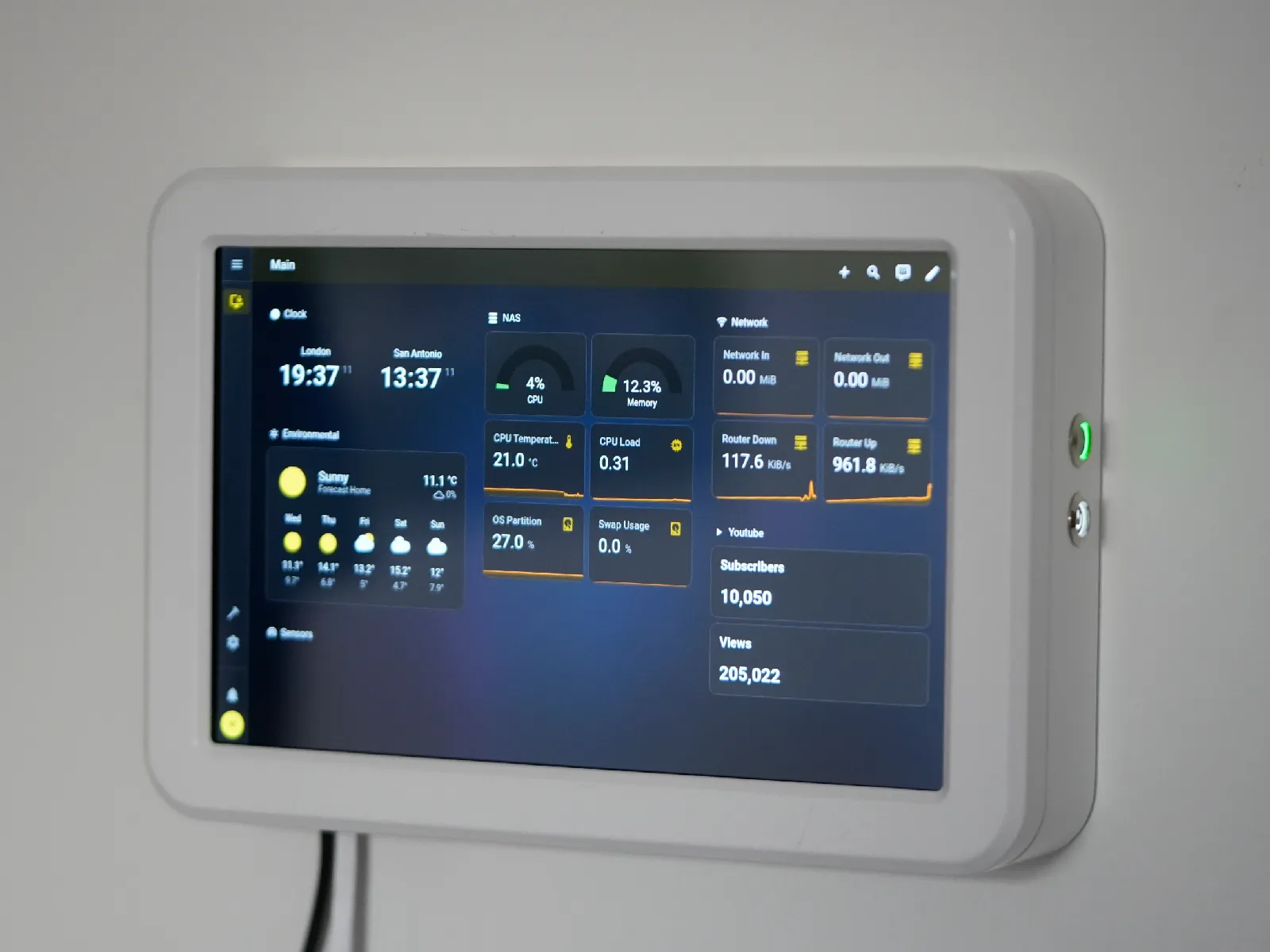
Elegant Home Server (NAS)
A Network Attached Storage with a powder-coated, CNC-milled aluminium enclosure. This website is hosted here!
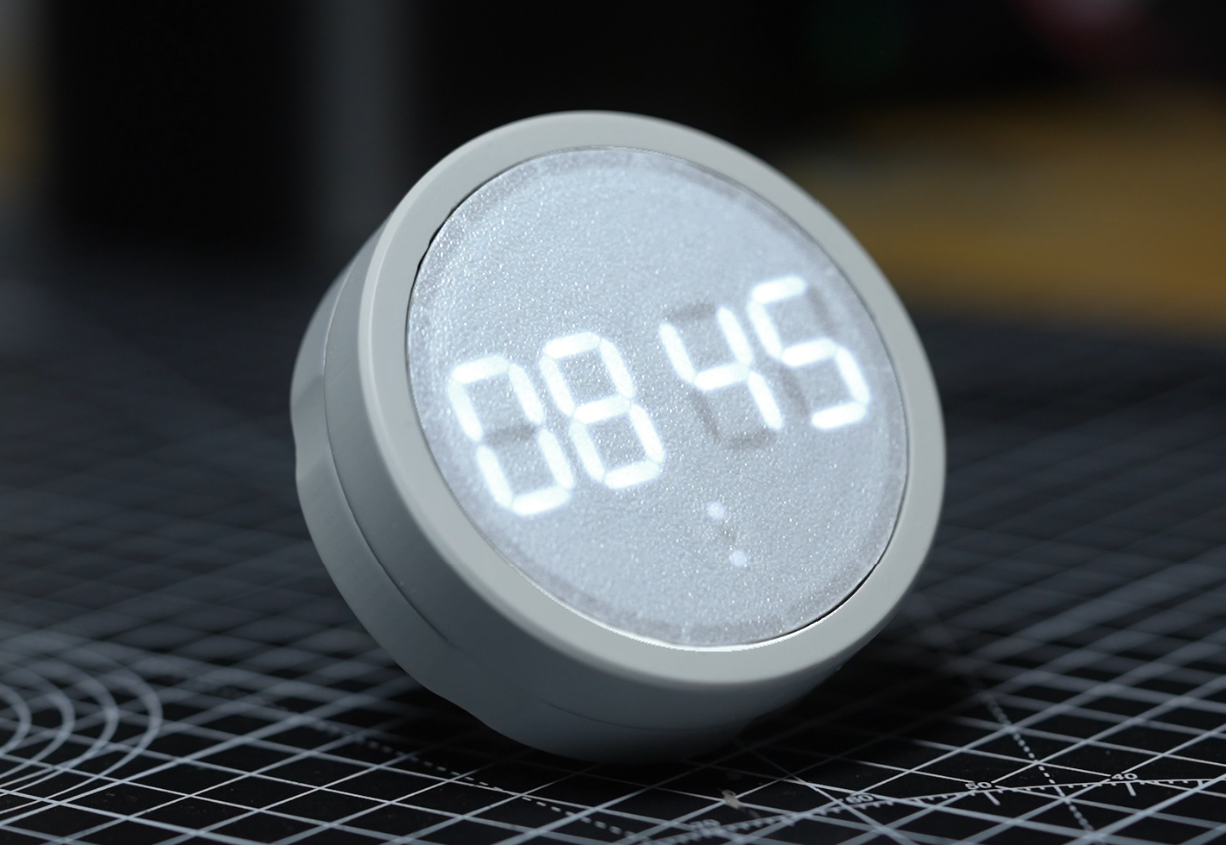
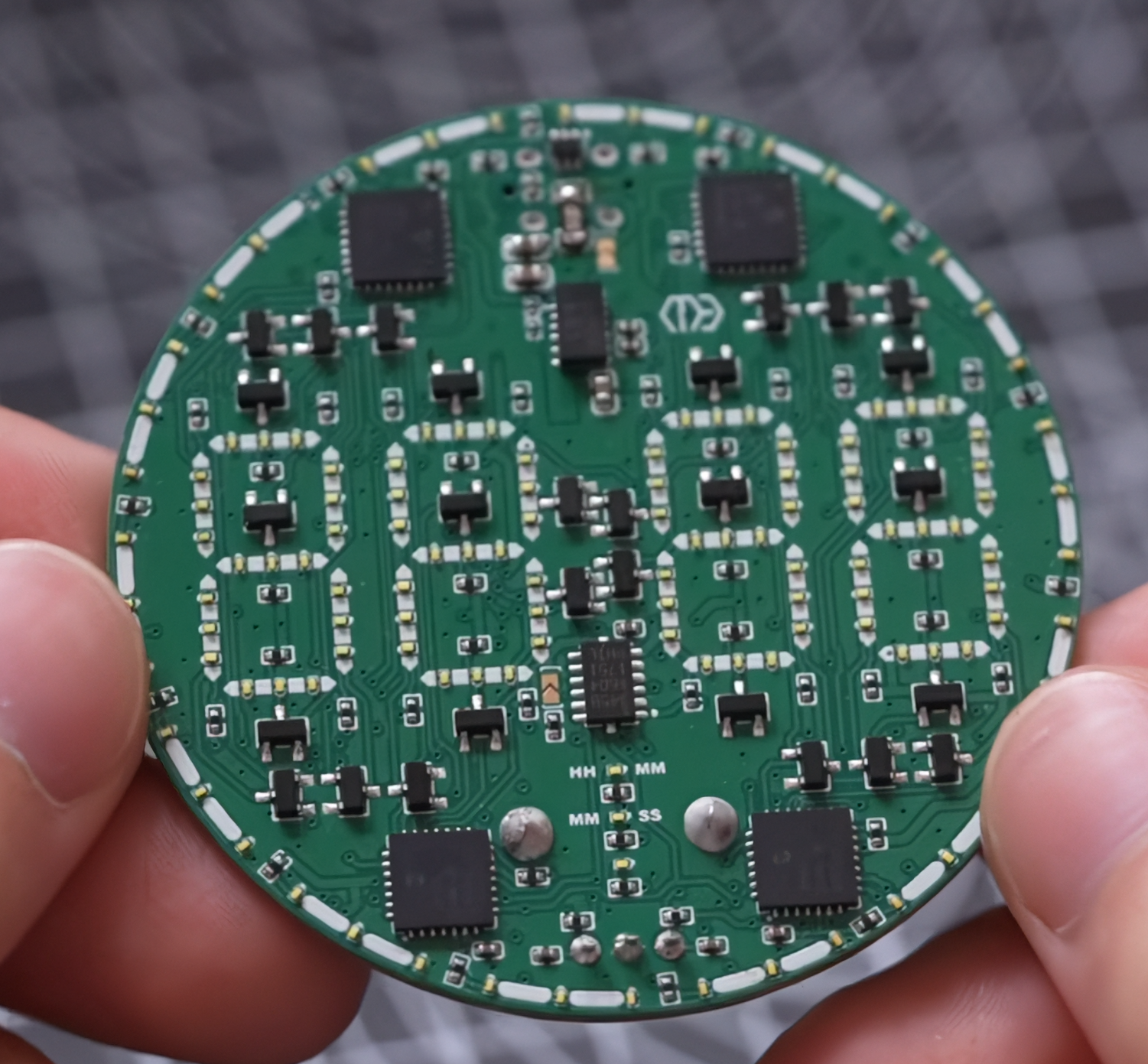
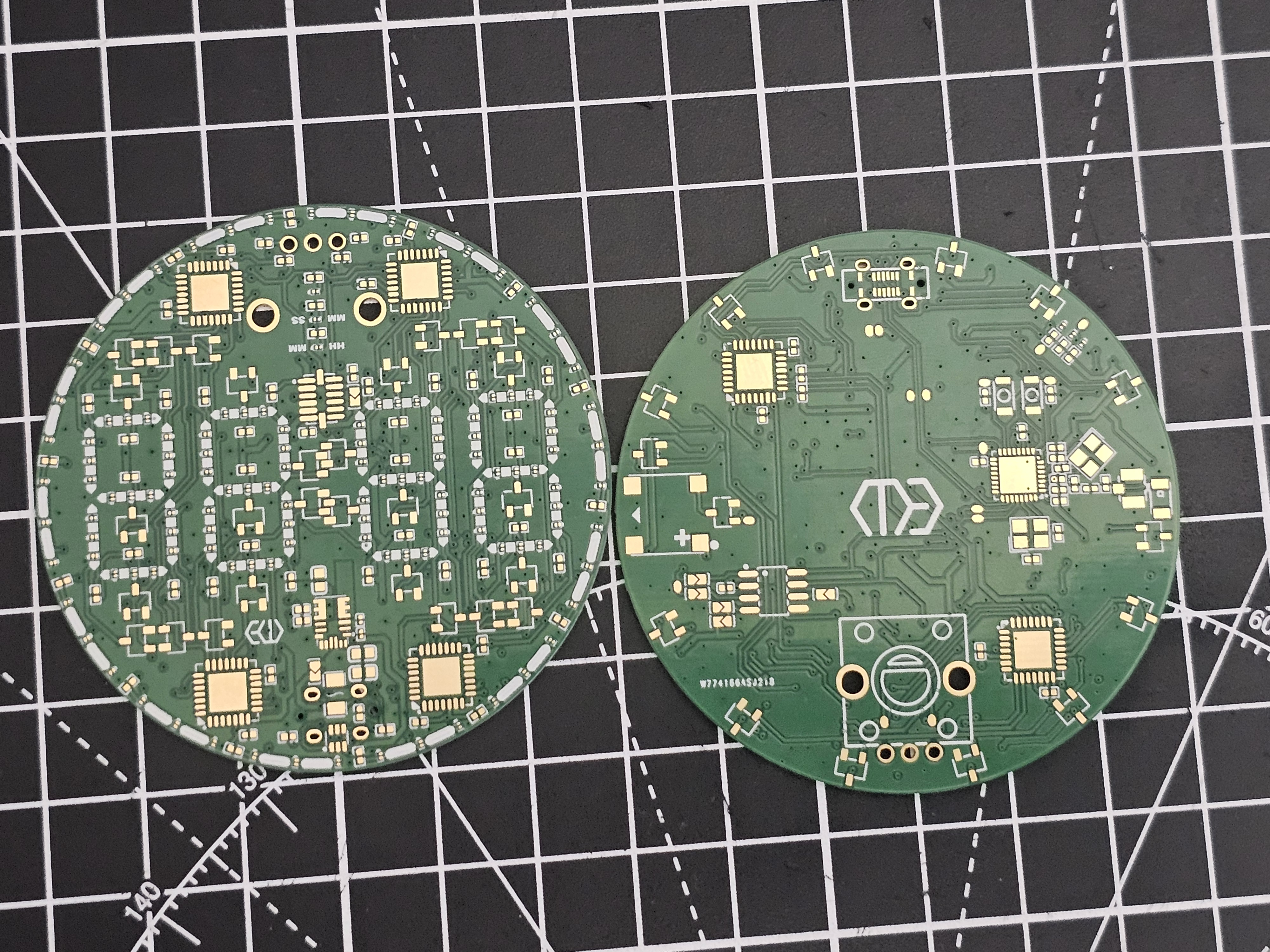
Multifunction Clock
My most deceiving project. While it looks simple, this clock has one of the most complex PCBs and a DIY CNC'ed enclosure.
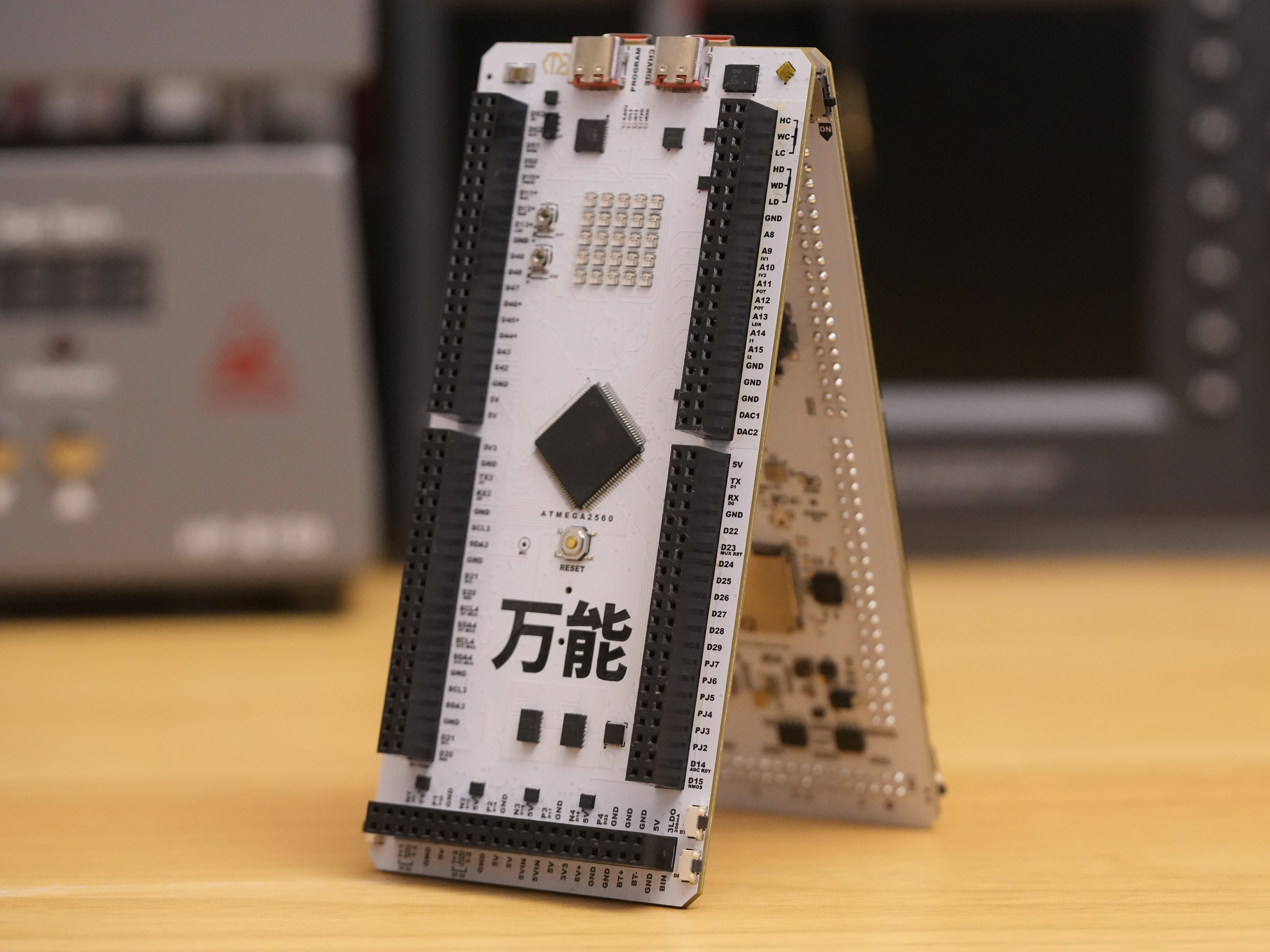
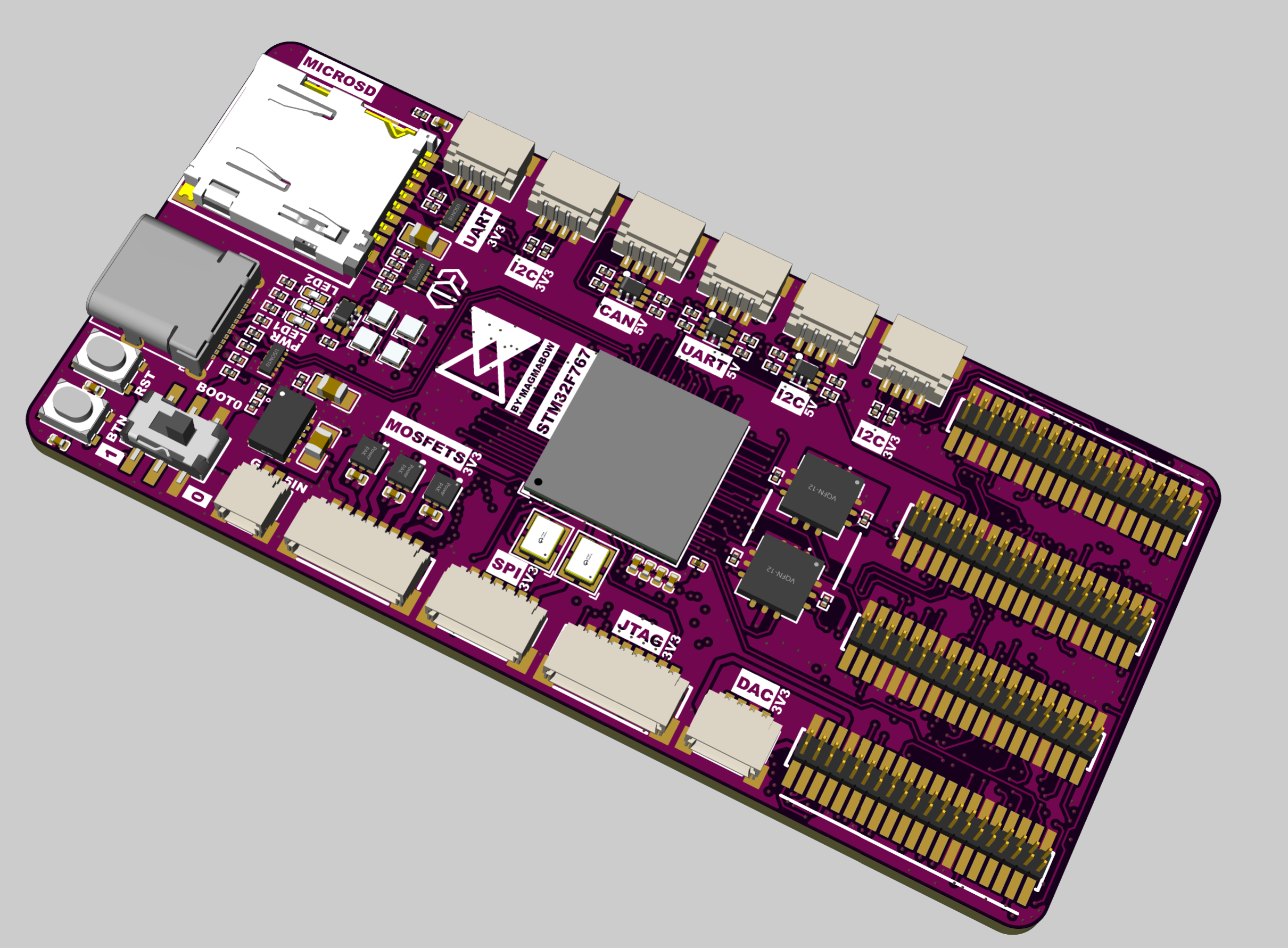
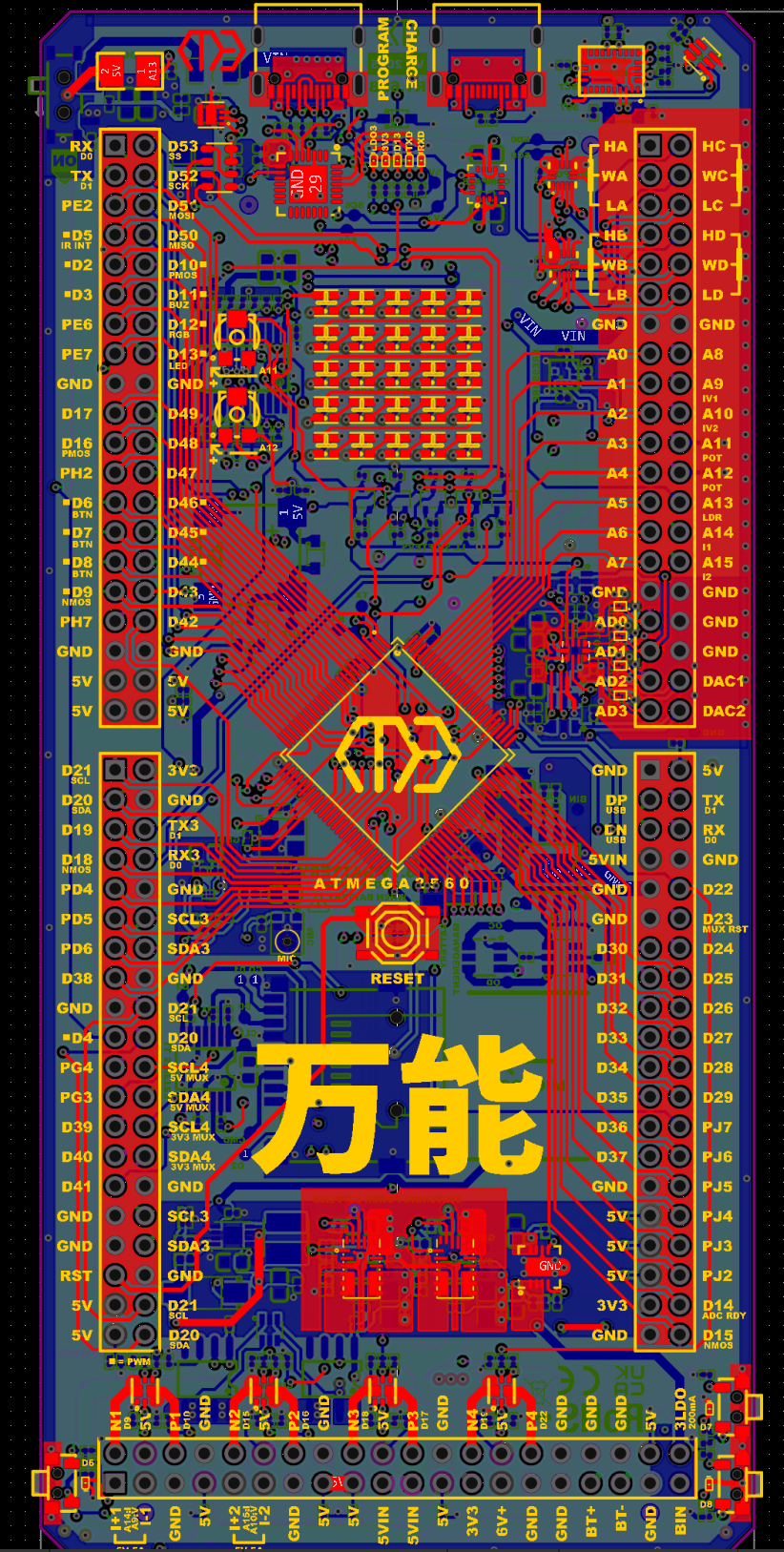
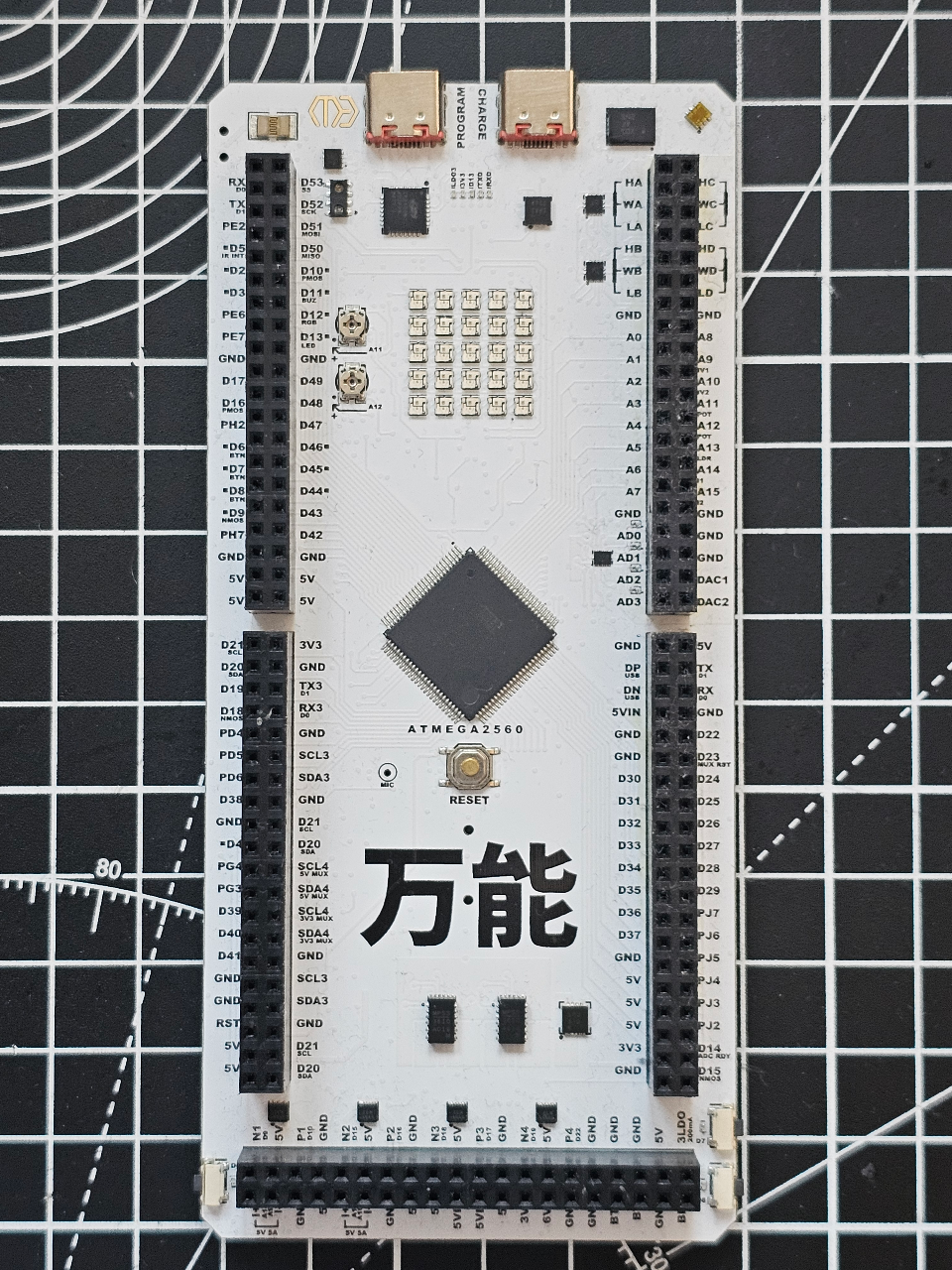
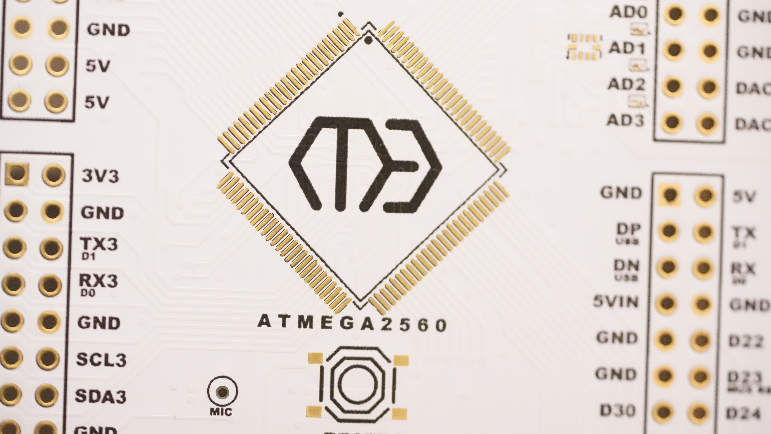
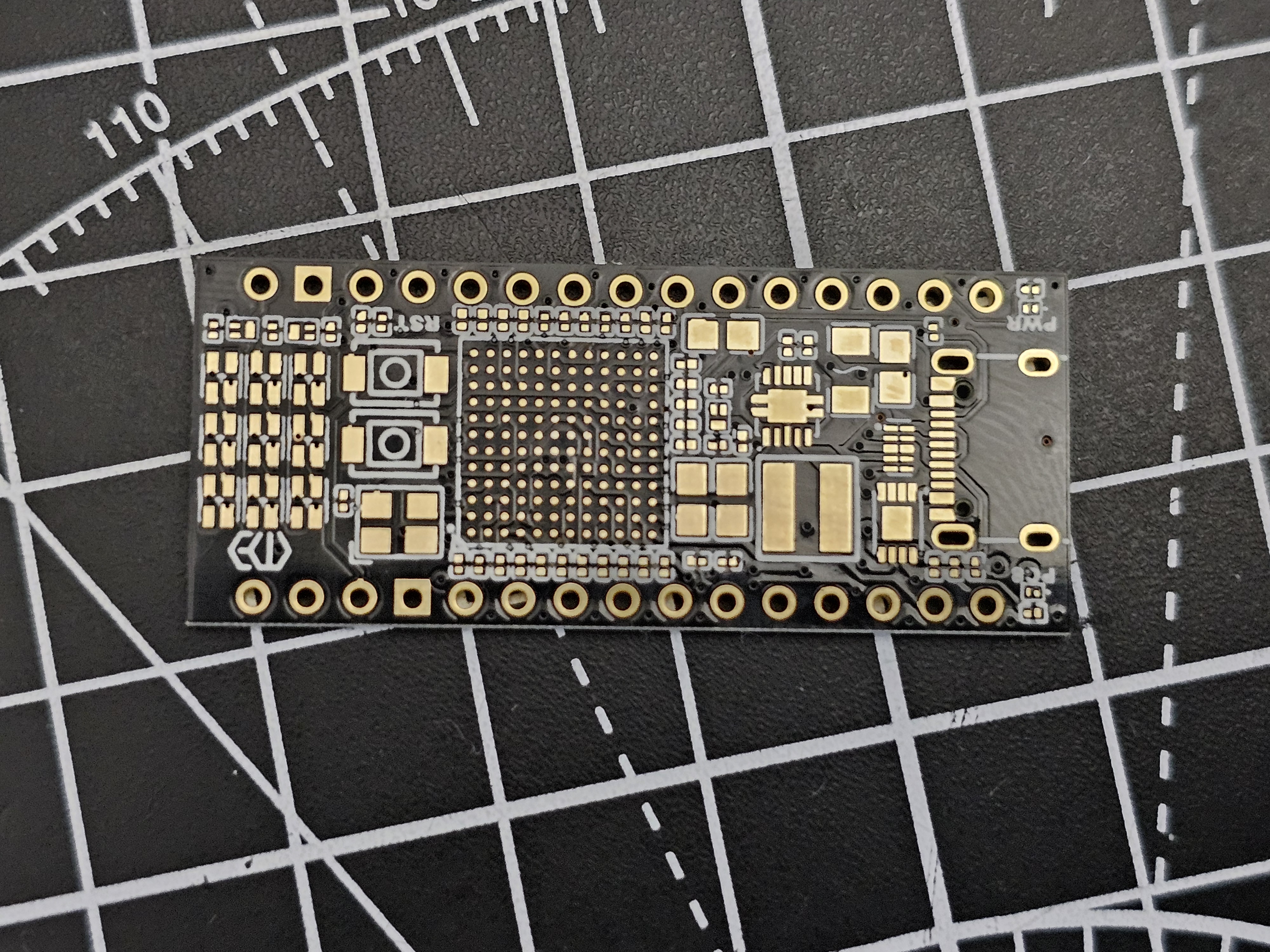
The “Everything Arduino”
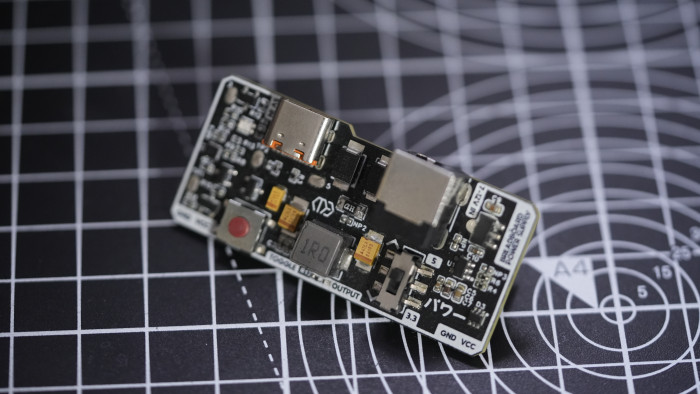
A powerful Arduino-style development board full of features and sensors.
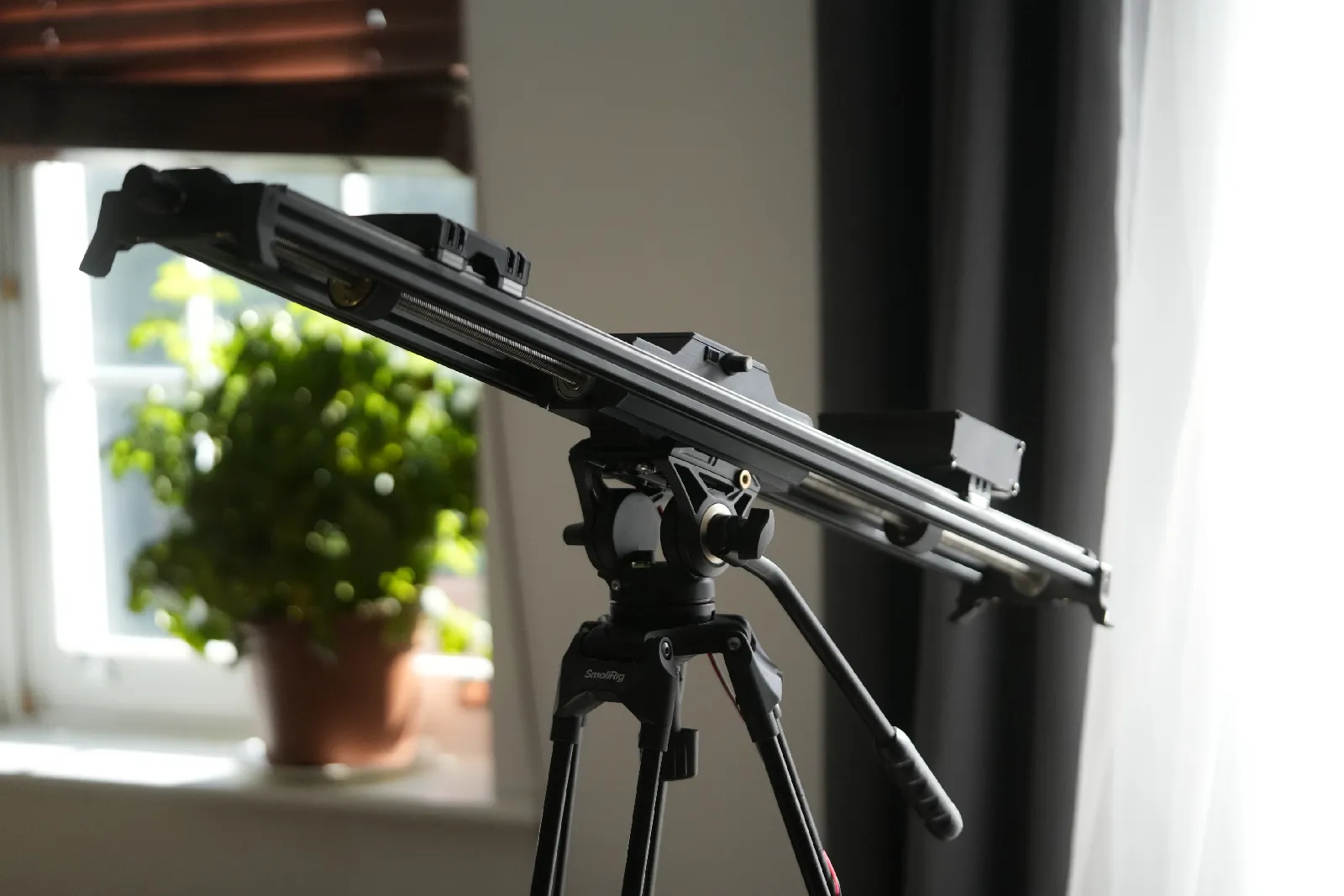
Camera Slider
A simple and robust camera slider with a counter-weight for video production.
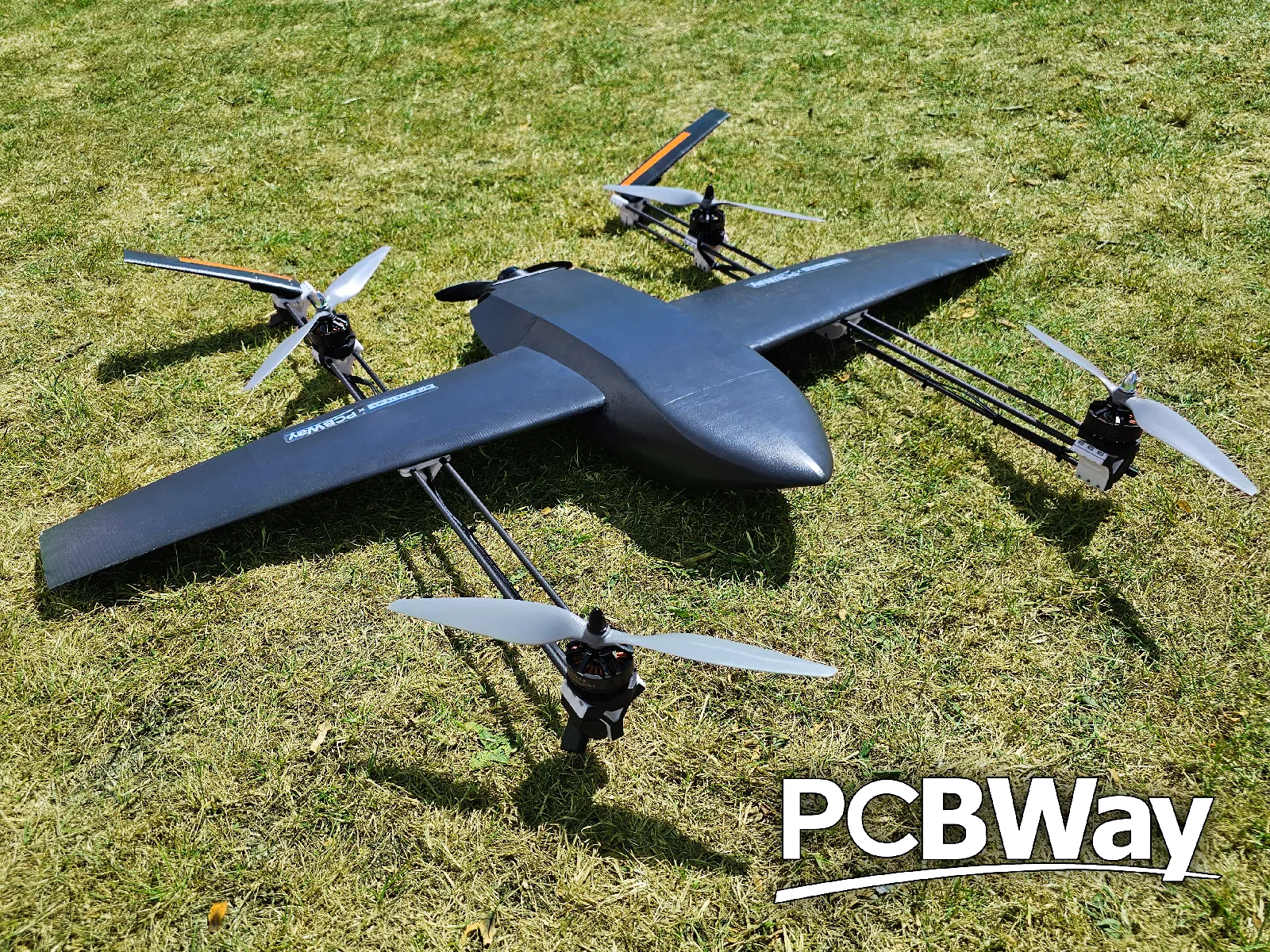
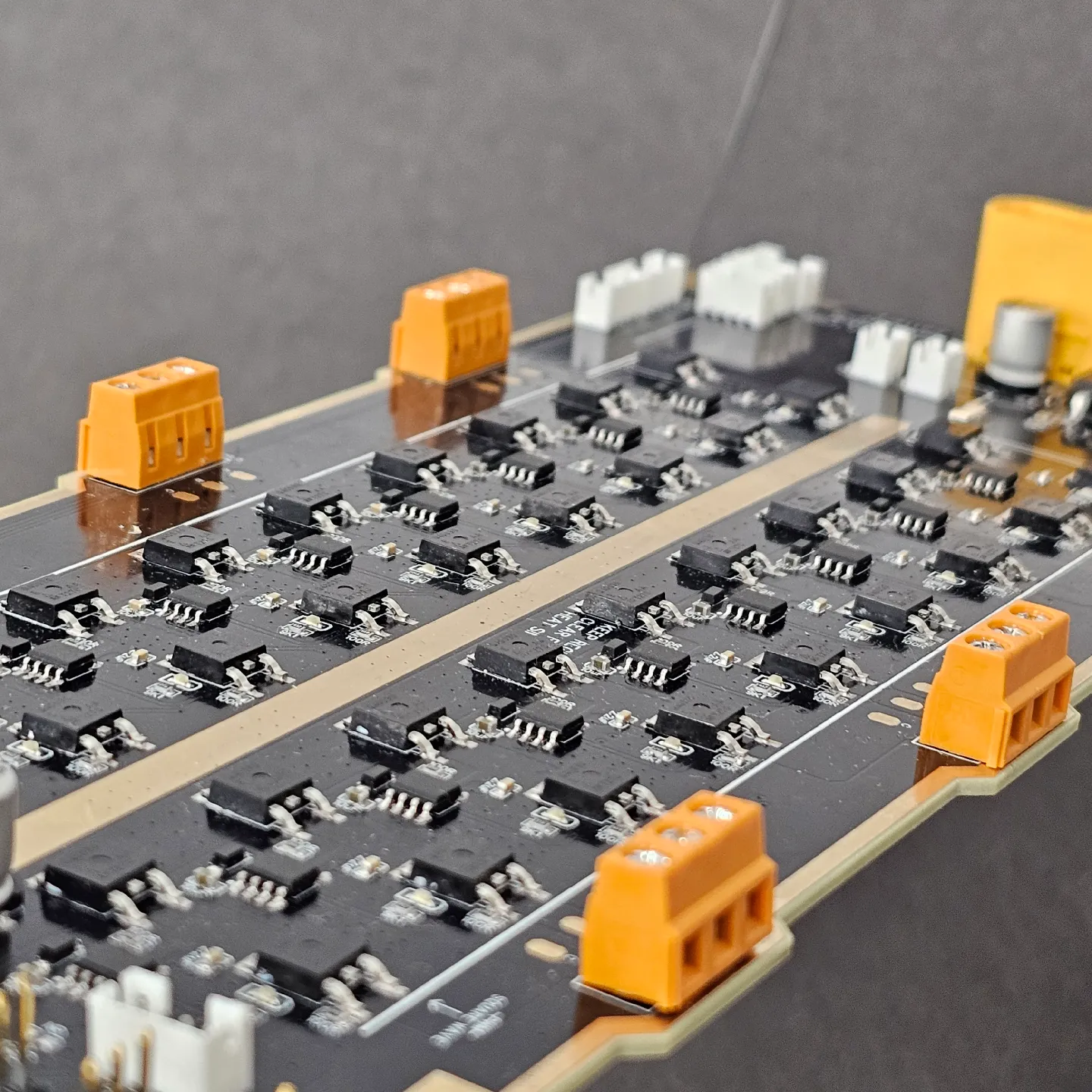
Hyperion UAV
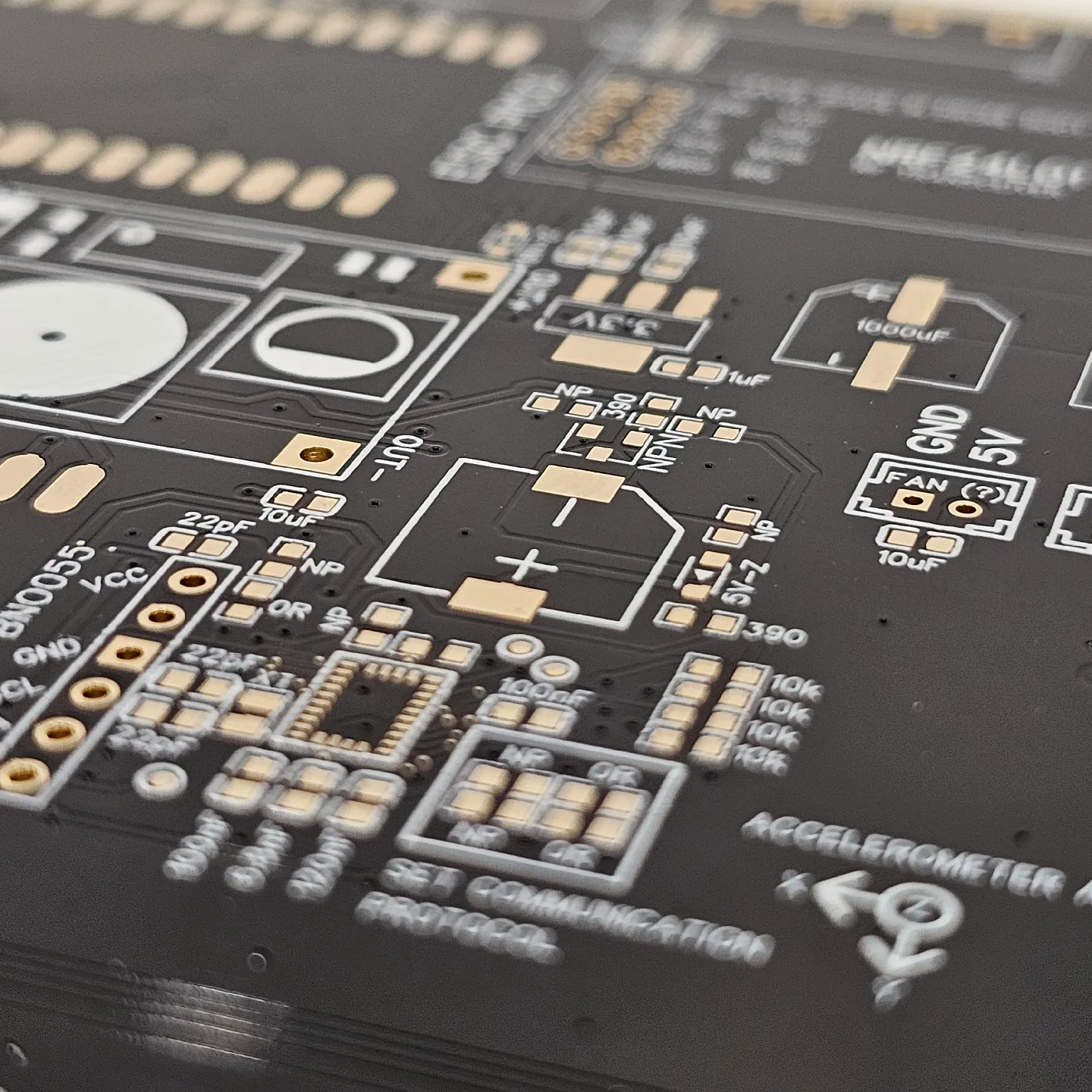
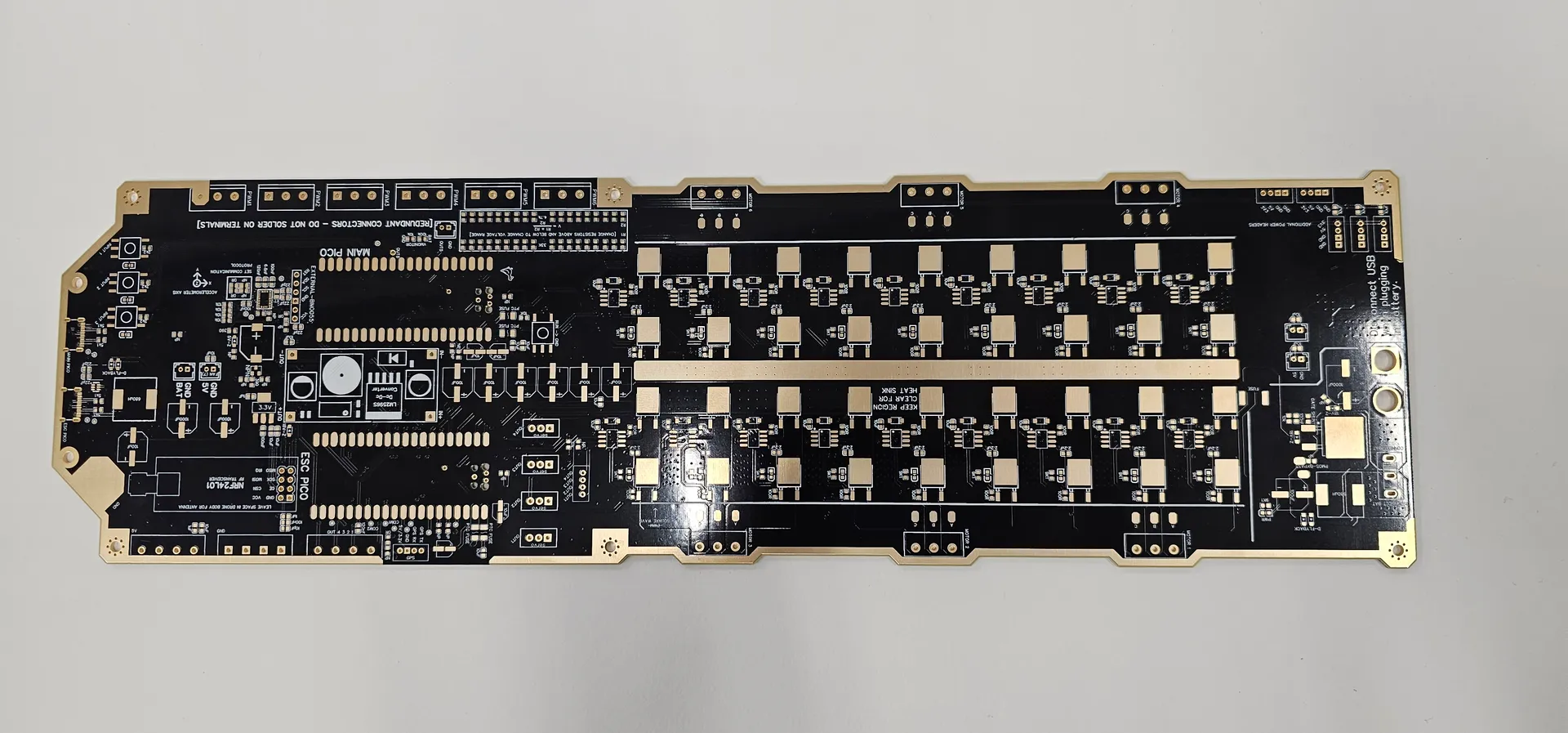
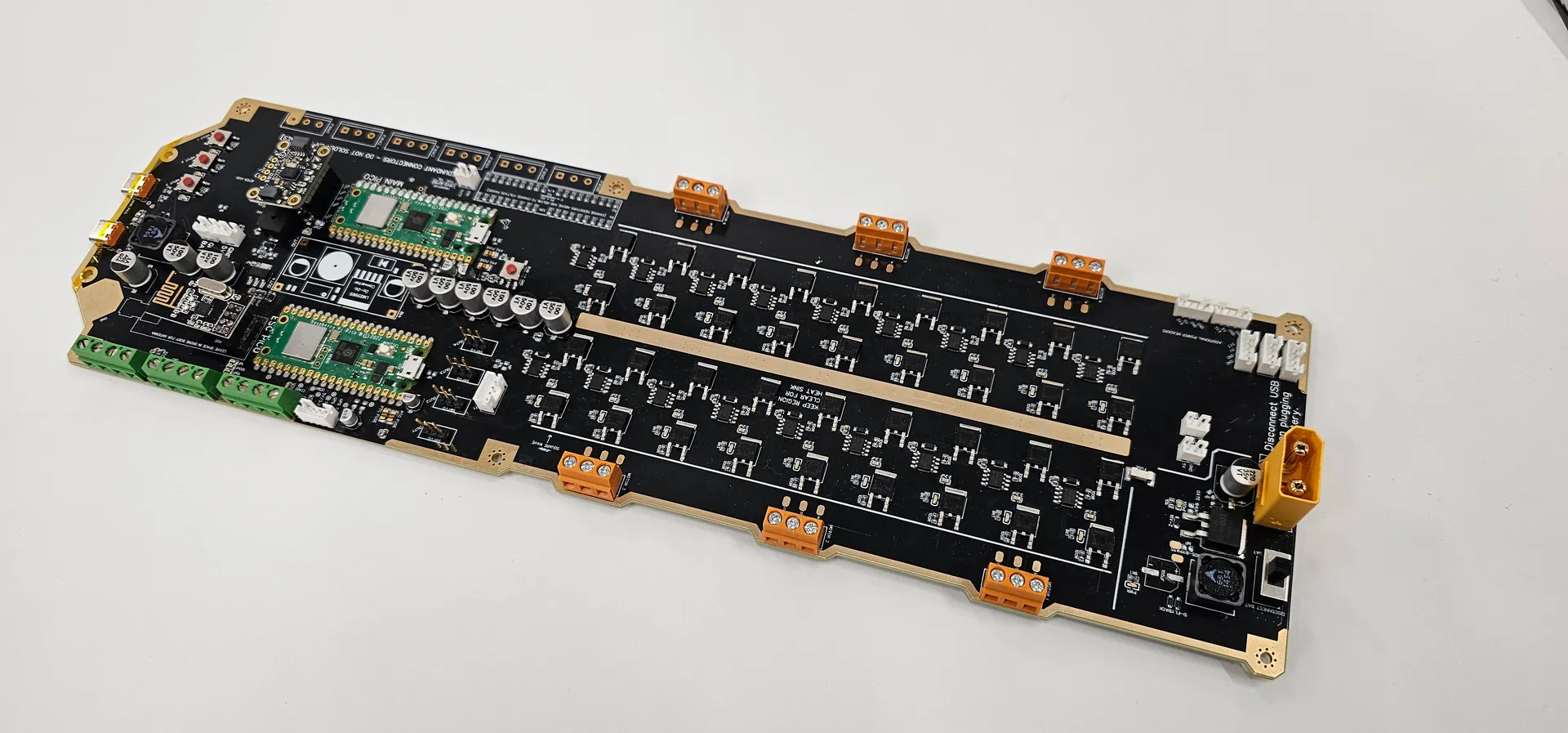
A VTOL UAV drone with a custom-made unified PCB featuring built-in ESCs, sensors and control.
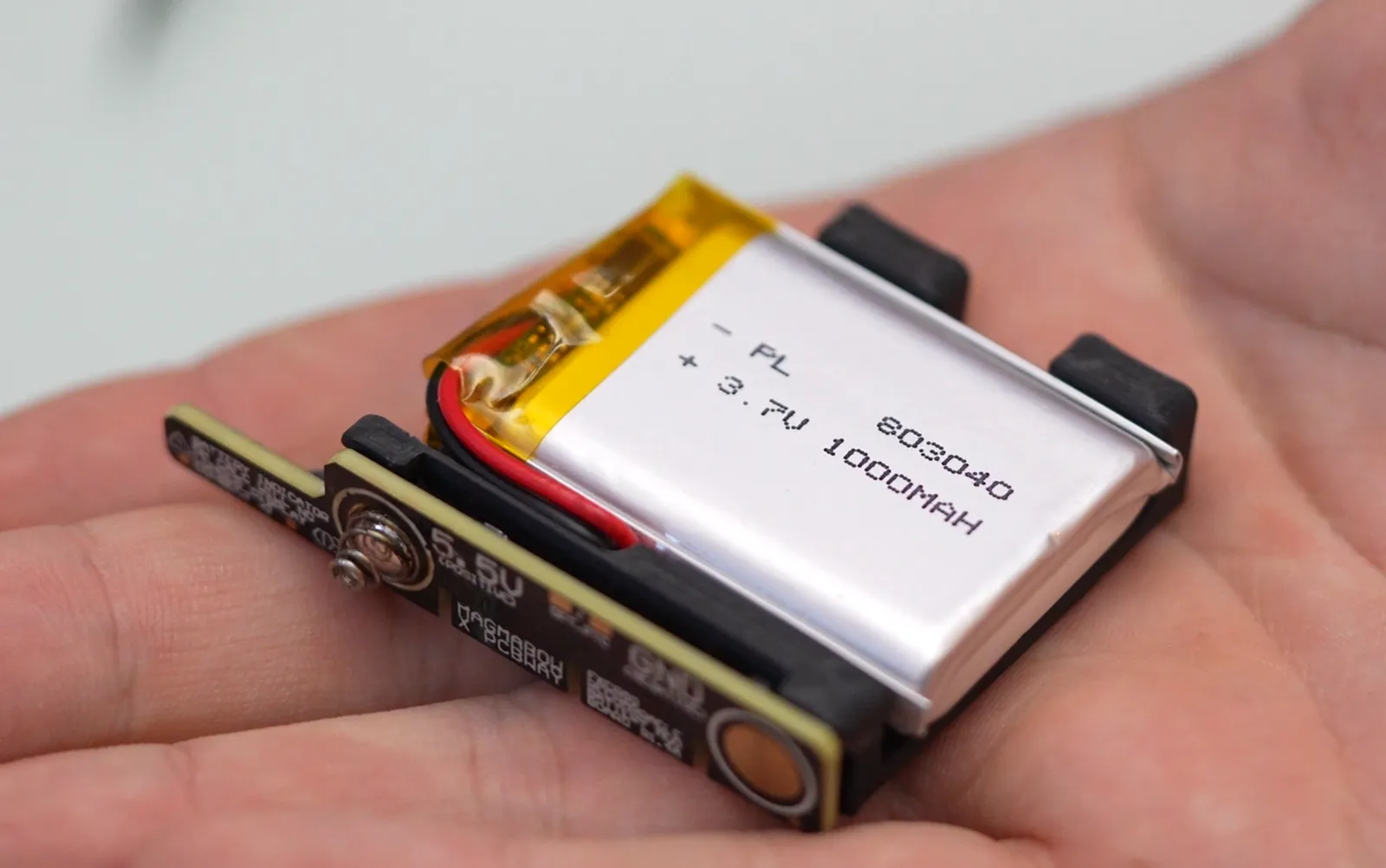
Rechargeable Calculator Mod
A small modification for the Casio FX-CG50 graphing calculator to remove the AAA batteries and add a charging function to the USB port.
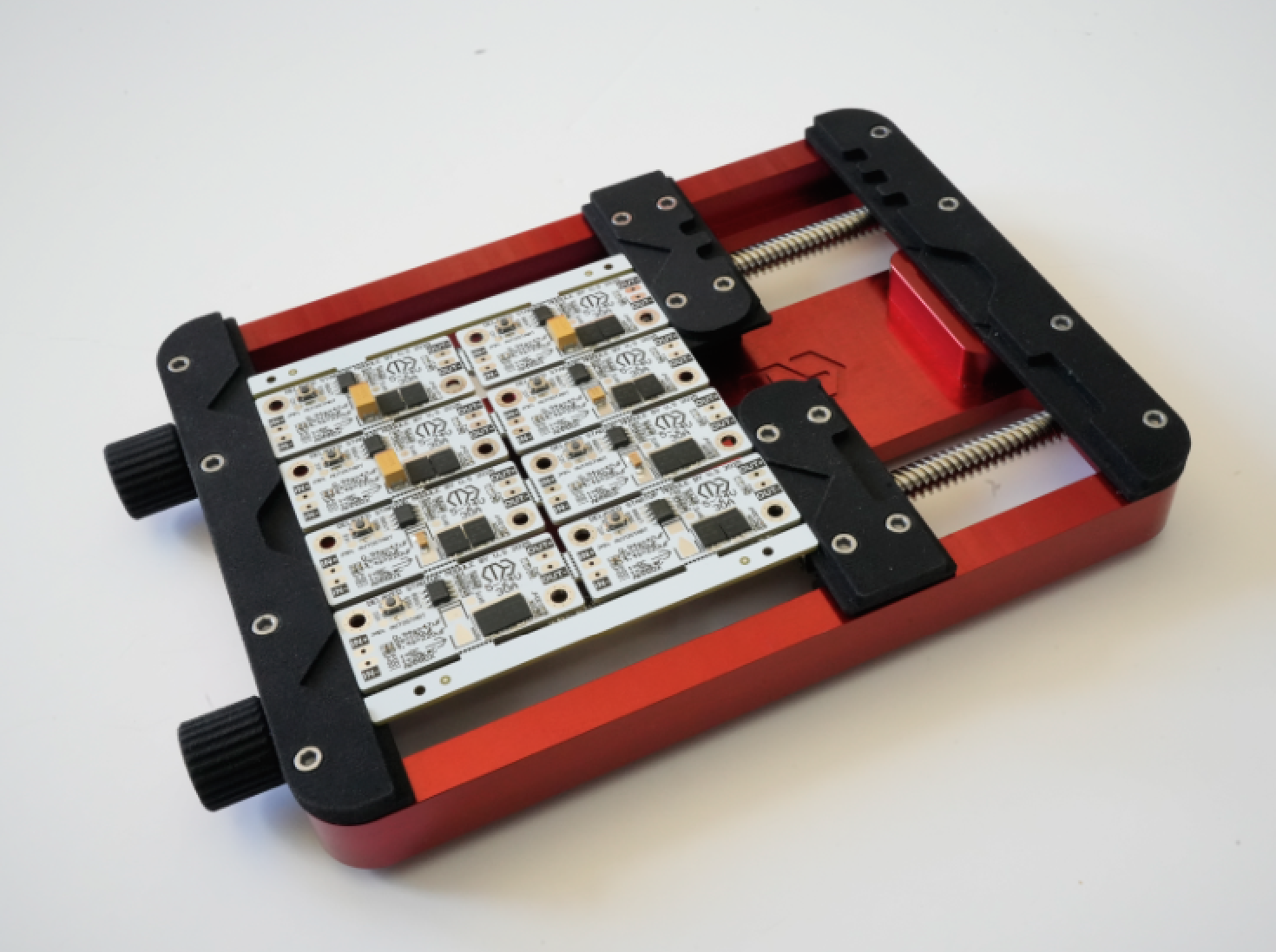
PCB Holding Fixture
A CNC-milled PCB holder for high temperature reworking.
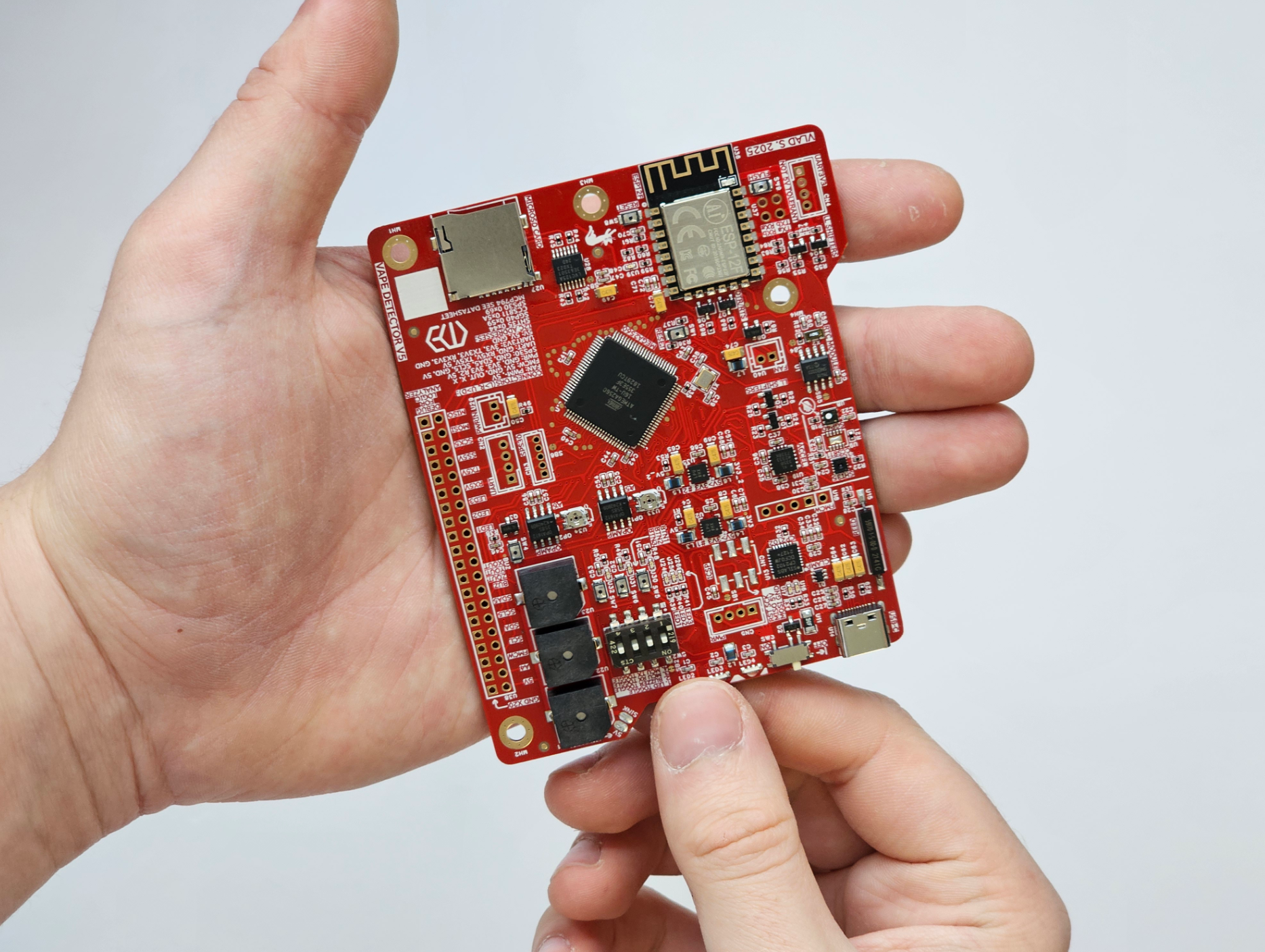
Vape Detector
A Vape detector that prioritises tamper prevention. Made in collaboration with a school.
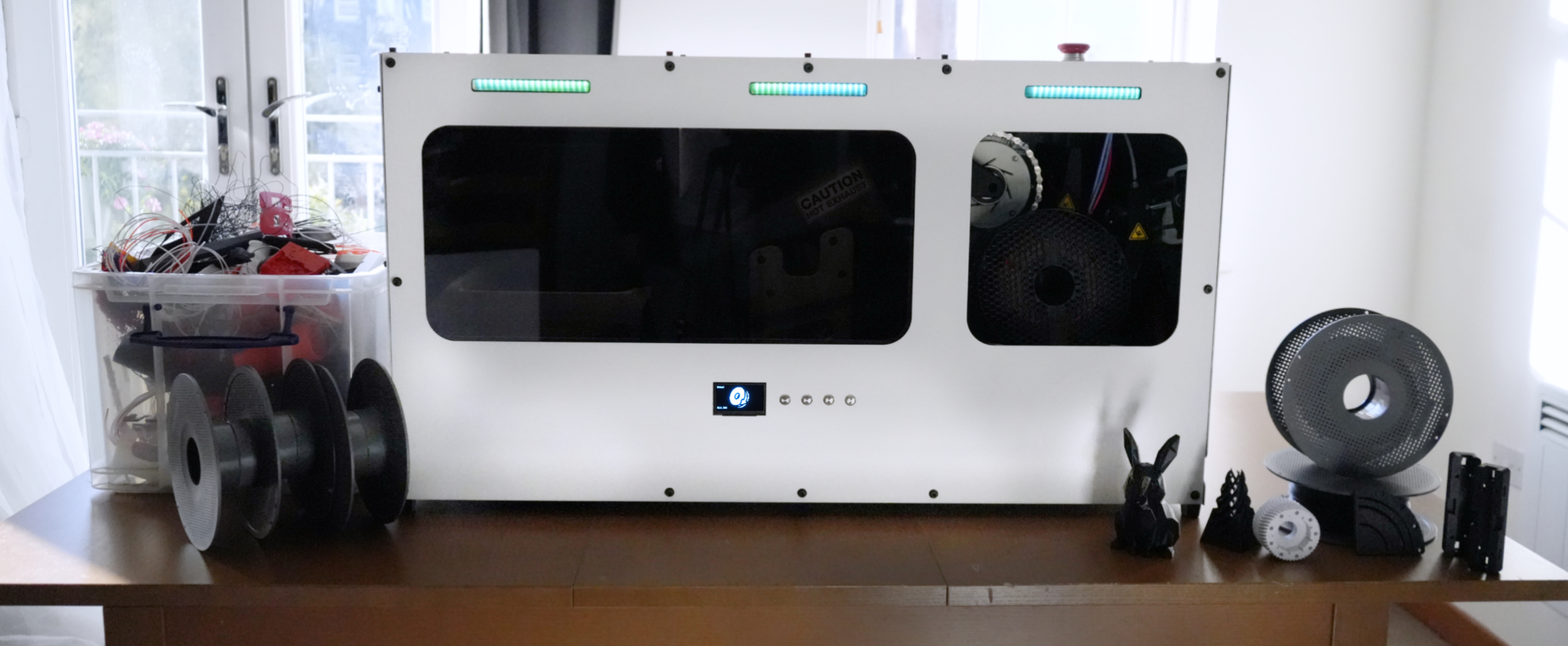
Plastic Recycler
The first 3D printing plastic recycler to fully automate shredding, drying and extruding.
A school has asked me to create this sensor primarily to detect vapes and cigarettes, while preventing as much tamper as possible.
It features:
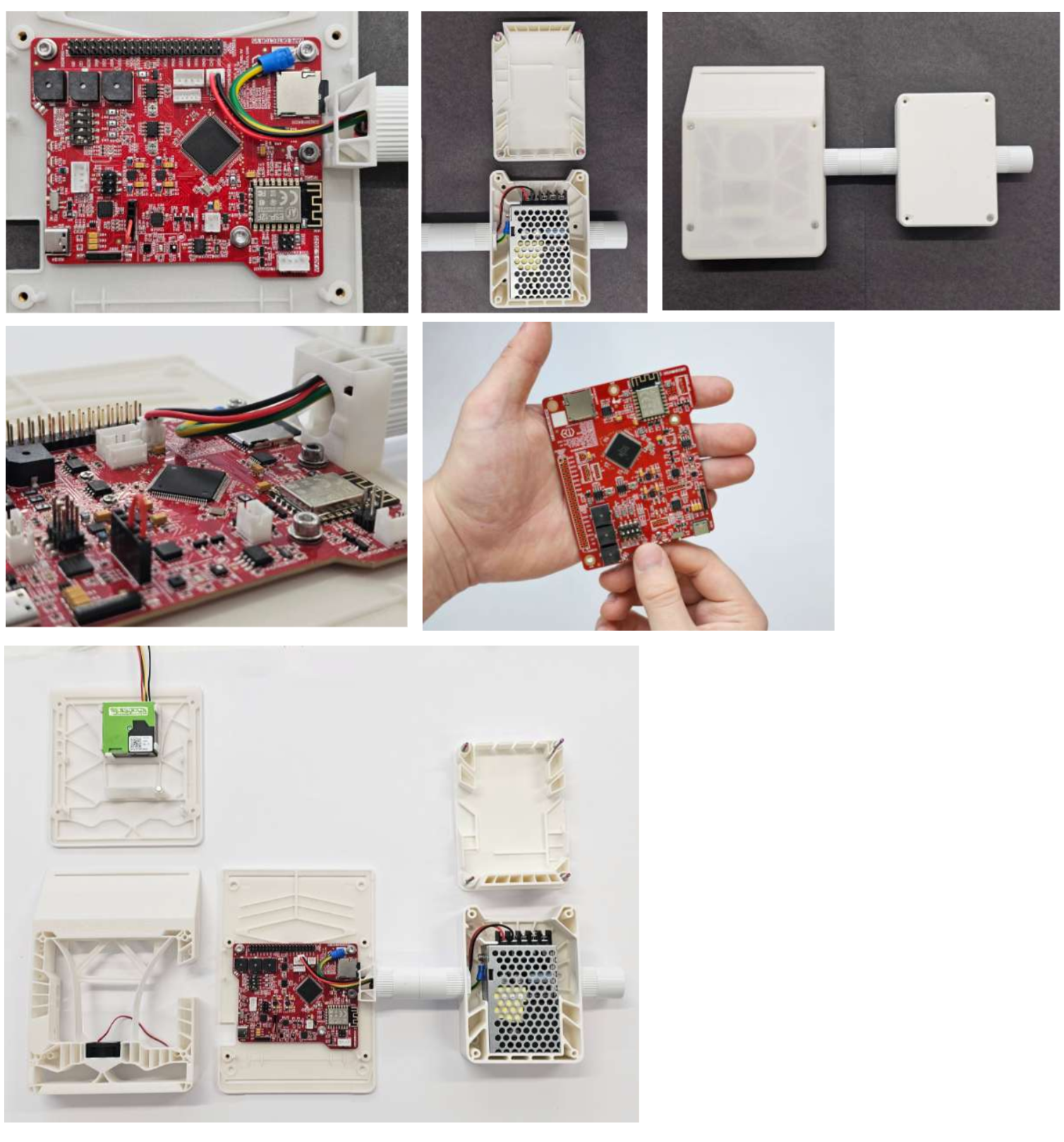
- Energy saving – This detector is in deep sleep mode until a user enters the sensor’s vicinity. This is done through a plug-in 24GHz human detection sensor that can detect people even when they are not moving or hidden behind walls or bathroom stalls. This module is inserted inside of the casing, and works through the plastic.
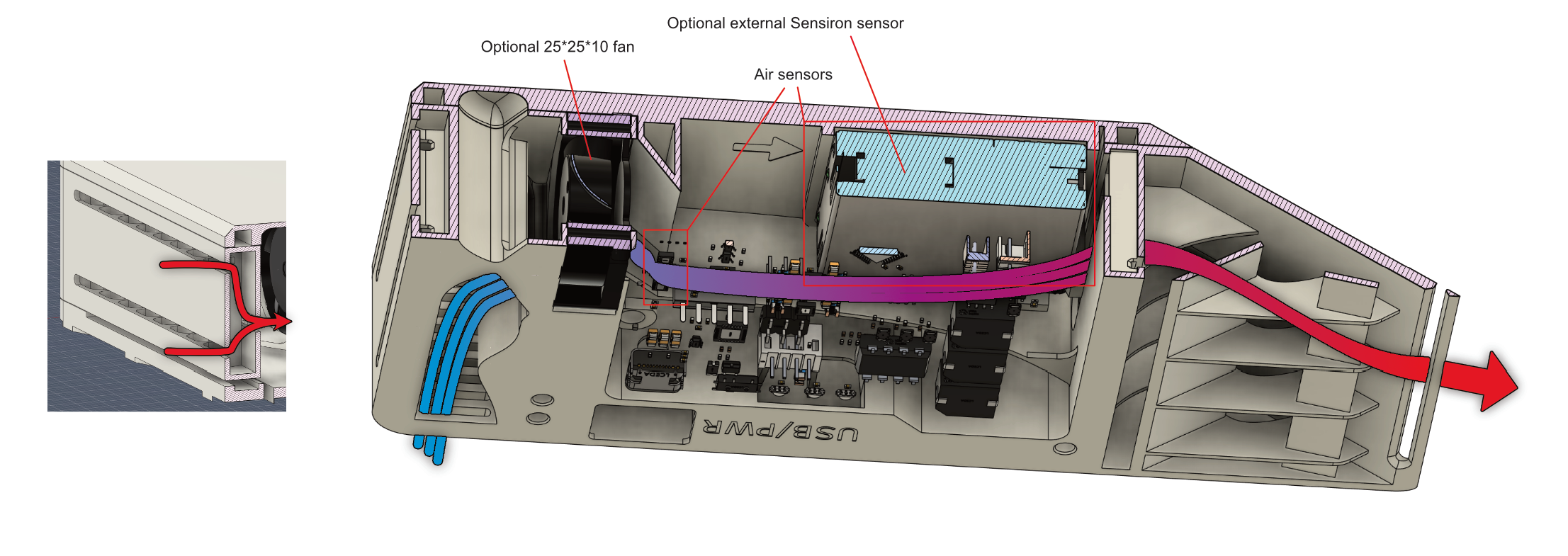
- High airflow design – The sensor has very good ventilation, reducing the fan power needed to achieve a high-sensitivity device.
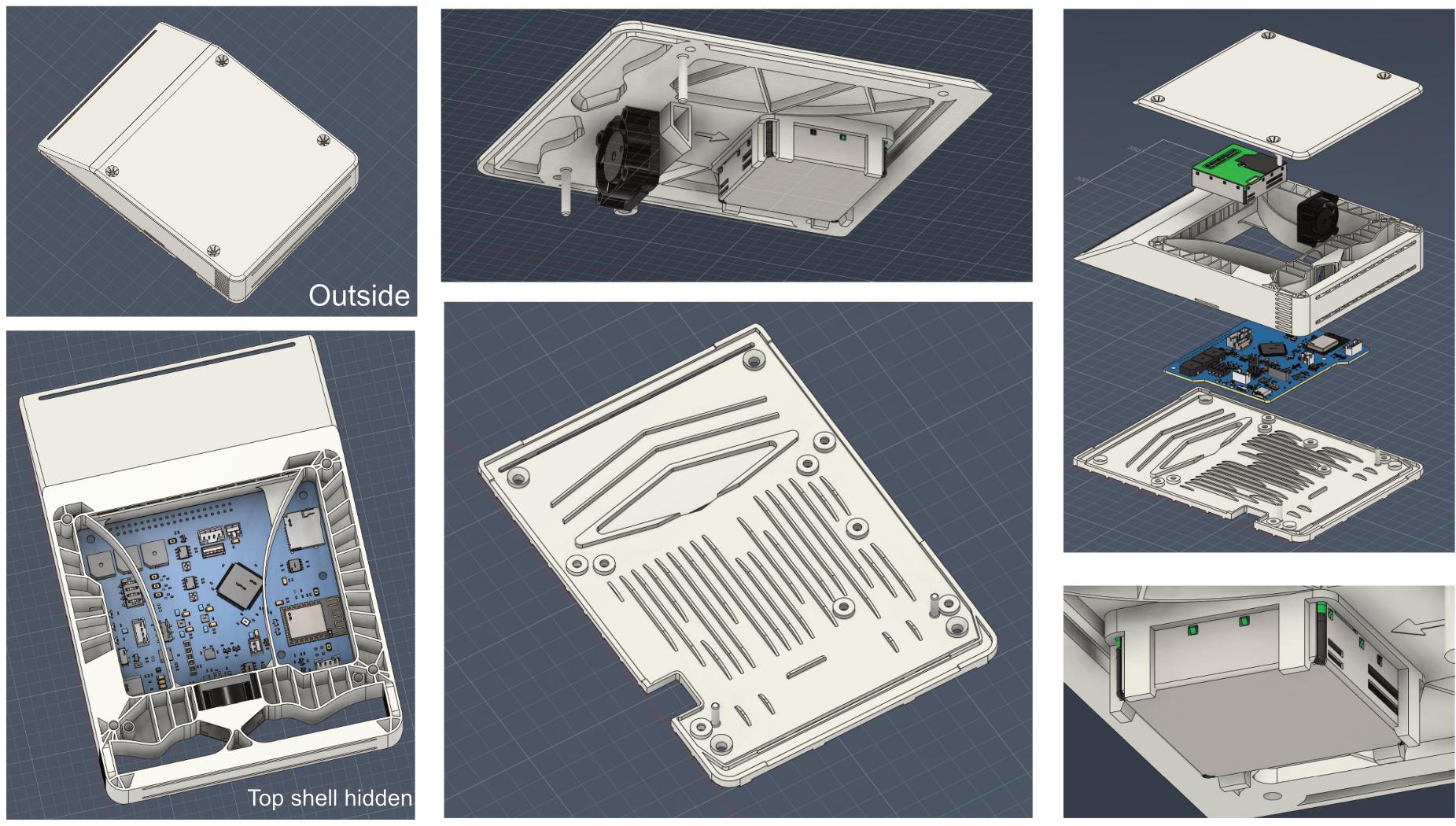
- Water ingress protection – When mounted either on the ceiling or the wall (with slope facing upwards), any water poured on top of the sensor will be funnelled around the PCB and prevent damage.
- Unscrew protection – The body is screwed together with a rare “snake eyes” screw head.
- Opening detector – A reed switch is used to detect whether the top has been removed. As a magnet is attached to the lid through the inside, there is no way of removing the lid without triggering the switch.
- Screwdriver jam prevention – There are no holes in the detector that lead directly to the fan. All paths to (or from) the fan are indirect, preventing people from sticking in long thin objects to jam the fan or poke at the circuit board to break it.
- Impact resistant – The enclosure is made from a high-impact SLS-manufactured polymer. When mounted to a wall, it is resistant to strikes from hockey sticks, baseball bats, and blunt objects.
- Anti-suffocation casing – The casing has a large wedge to prevent people from disabling the sensor with plastic bags and a rubber band. This is especially effective when mounted on the ceiling in a place far from ledges that could be stood on. This sensor also has thin slots all around the bottom edges and has a slight offset from the wall. This creates loads of openings for air to travel through. This was found to be incredibly effective at preventing suffocation during testing.
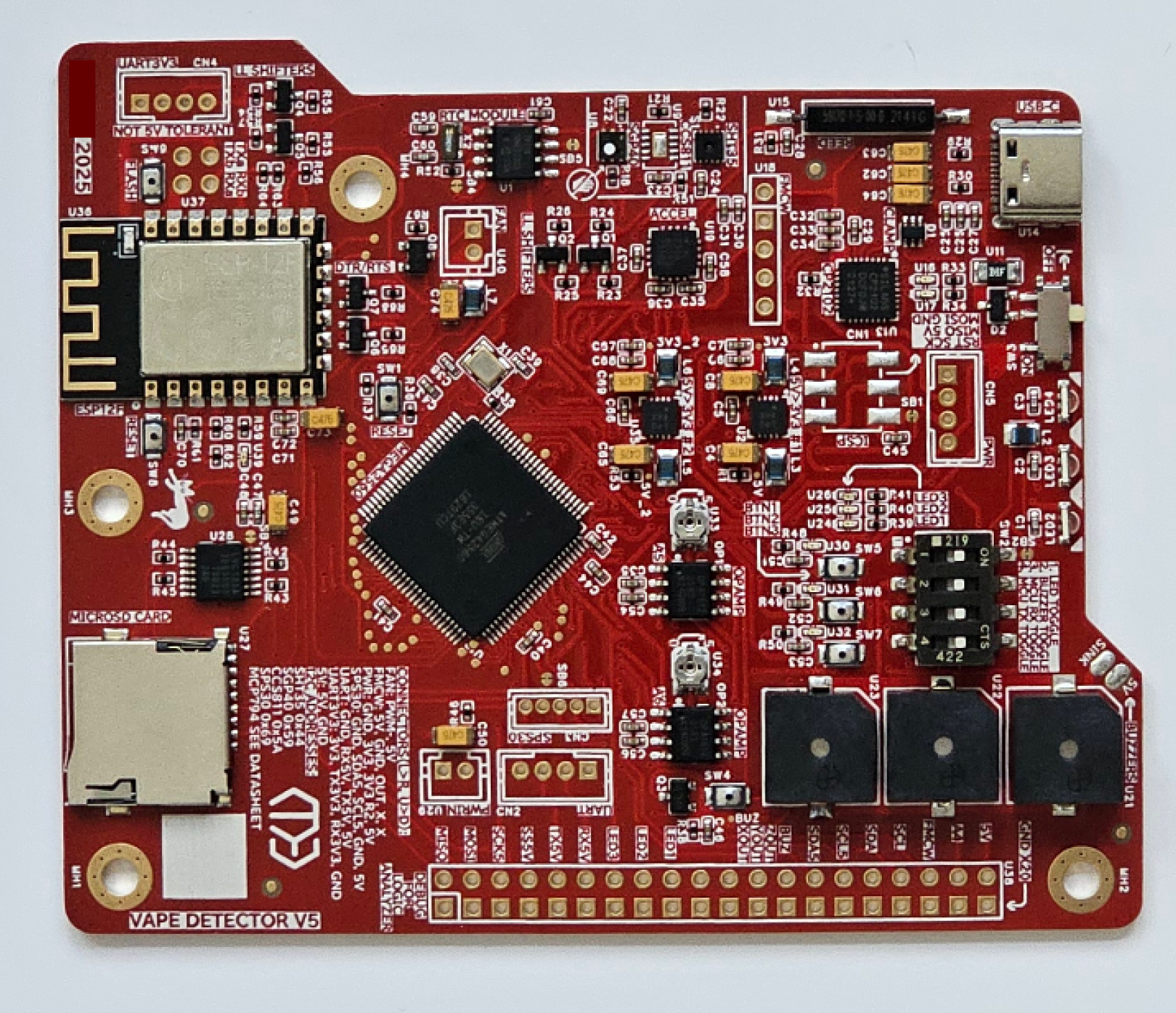
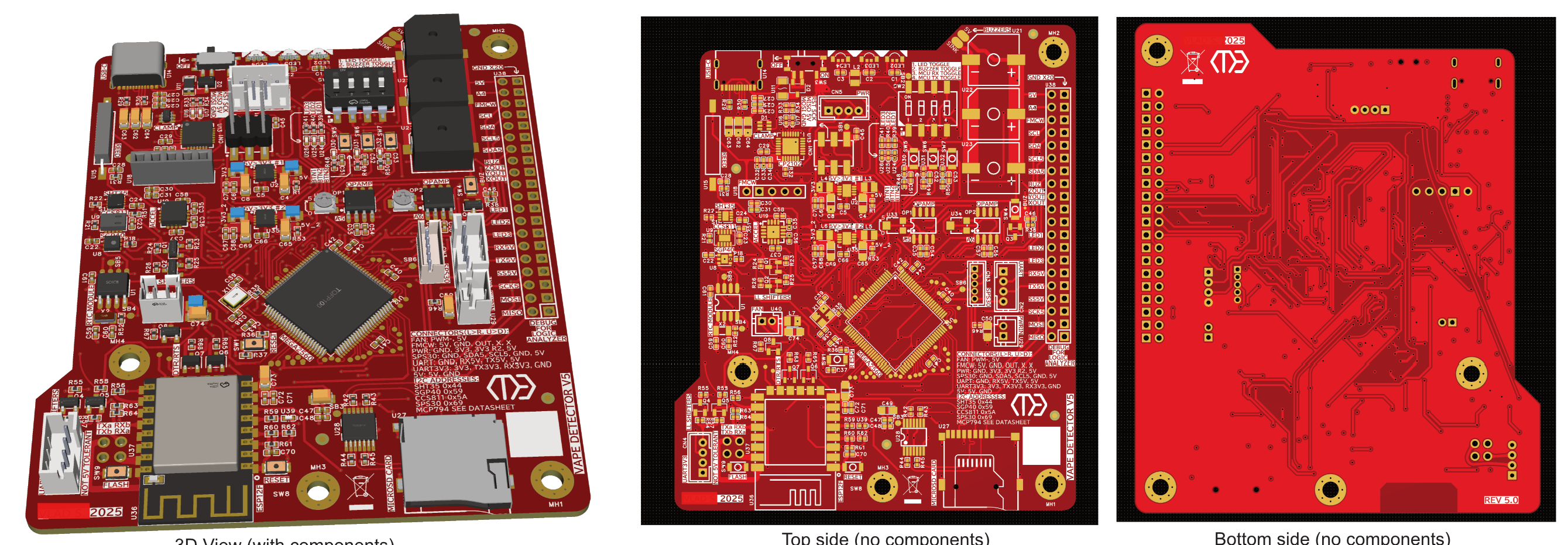
- Acceleration detection – The sensor will trigger an alarm when an acceleration of 1.05g is experienced by the board. This may be triggered from a strong impact, or if the board is taken off the wall.
- Anti-spray tamper detection – The sensor can distinguish between vapes from deodorants, perfumes, high humidity, etc. It also does not measure nicotine, making it able to detect nicotine-free e-cigarettes. If someone sprays a can of deodorant into the sensor, it will be recognised, and will trigger a tamper alarm.
- Silent alerts – This sensor has a silent alarm and active alarm. The silent alarm triggers when triggered by vapes in regular use. The silent alarm removes feedback from e-cigarette users and makes it impossible for them to predict when the sensor has gone off. This prevents them from fleeing upon triggering. It also makes it more difficult for them to learn the trigger threshold.
- App integration – By default, this detector works with IFTTT, but this can be changed easily upon request. It also easily integrates into larger alarm networks, such as ones used by schools, offices or leisure centres.
- M20 conduit connection – The power for this sensor requires a 110–240V AC connection routed through a common PVC pipe with an M20 thread. This prevents people from disconnecting the power or cutting the wires.
- RGB LED indicator – For quick visual indication of function and state.
Downloads:
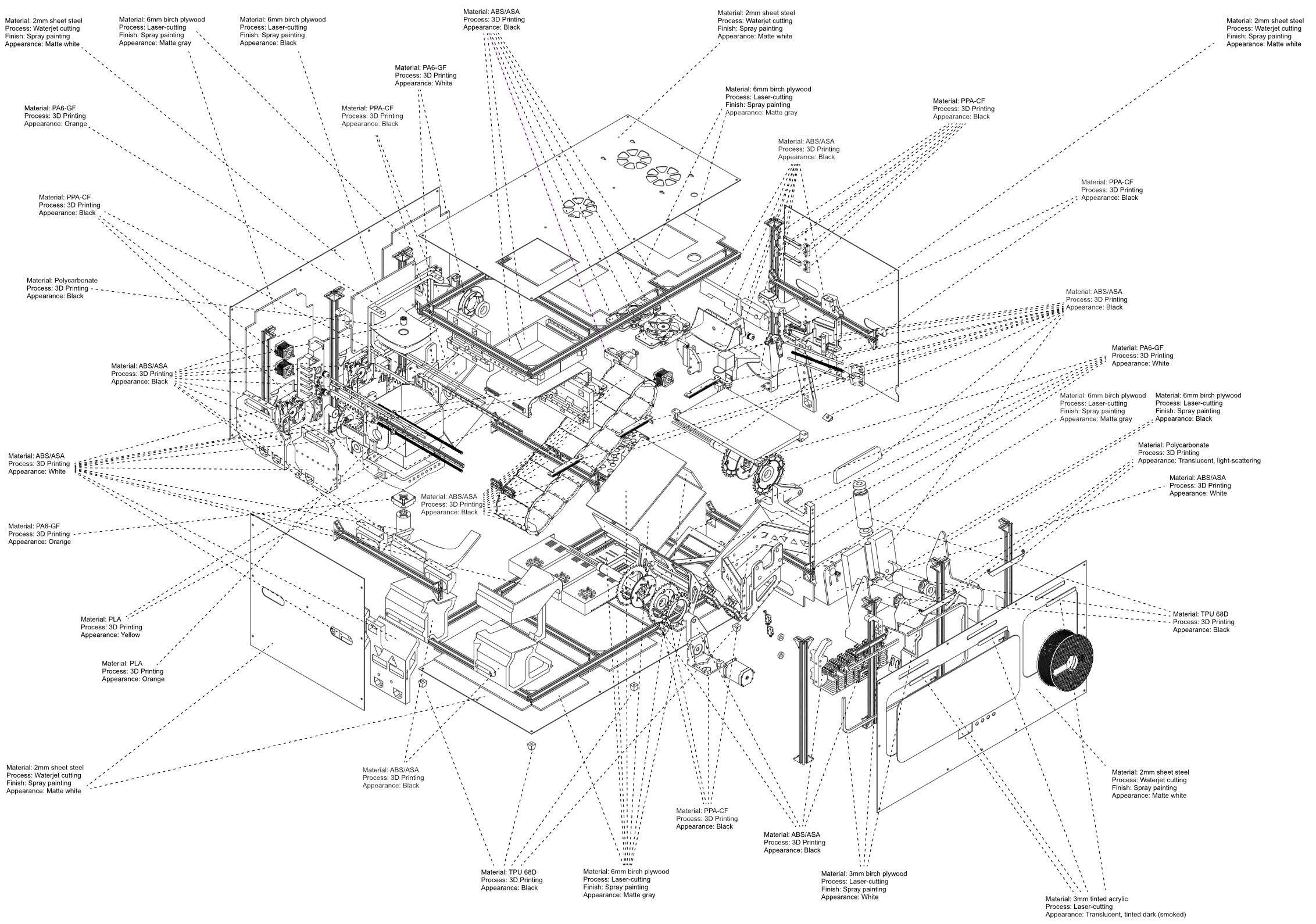
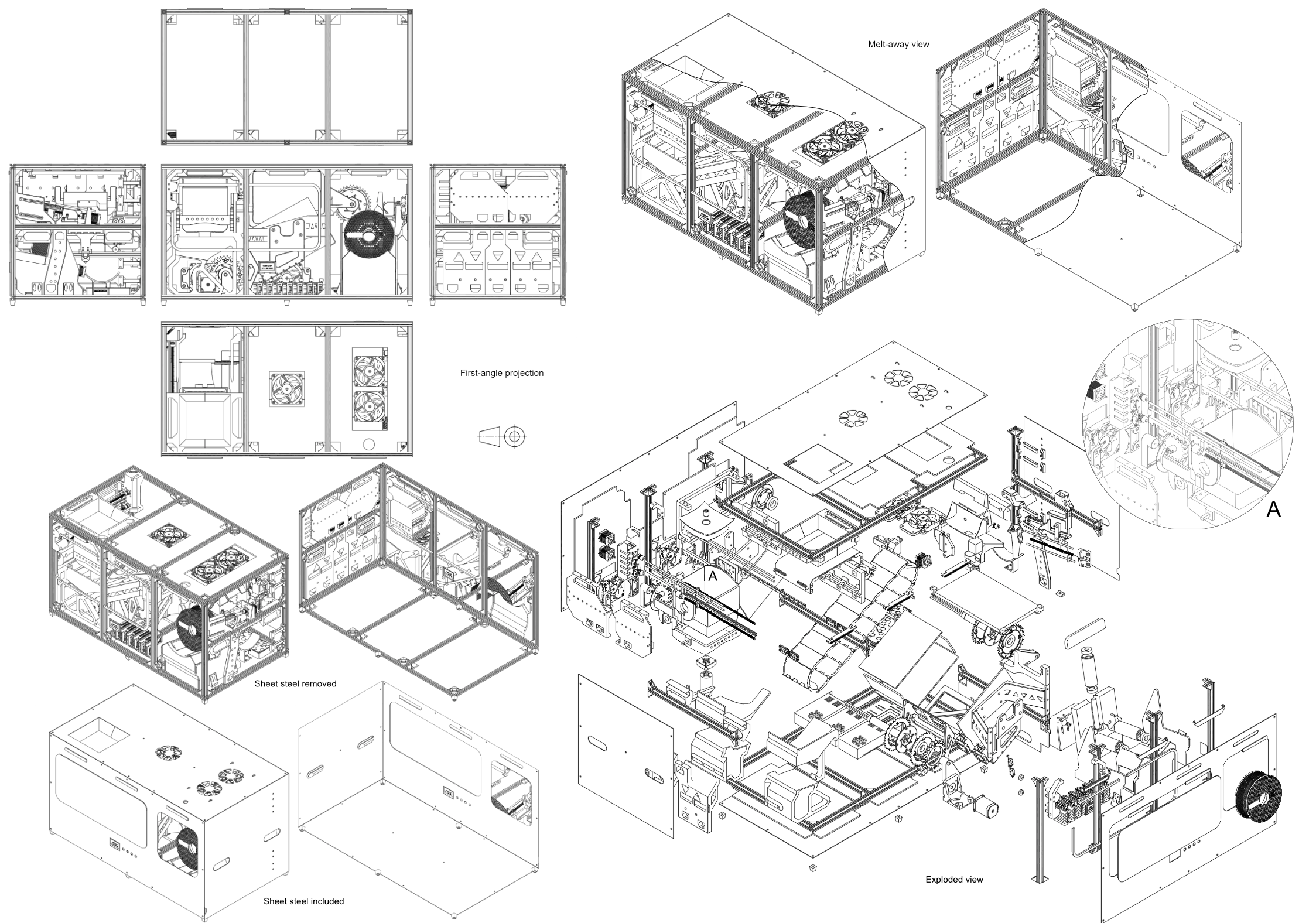
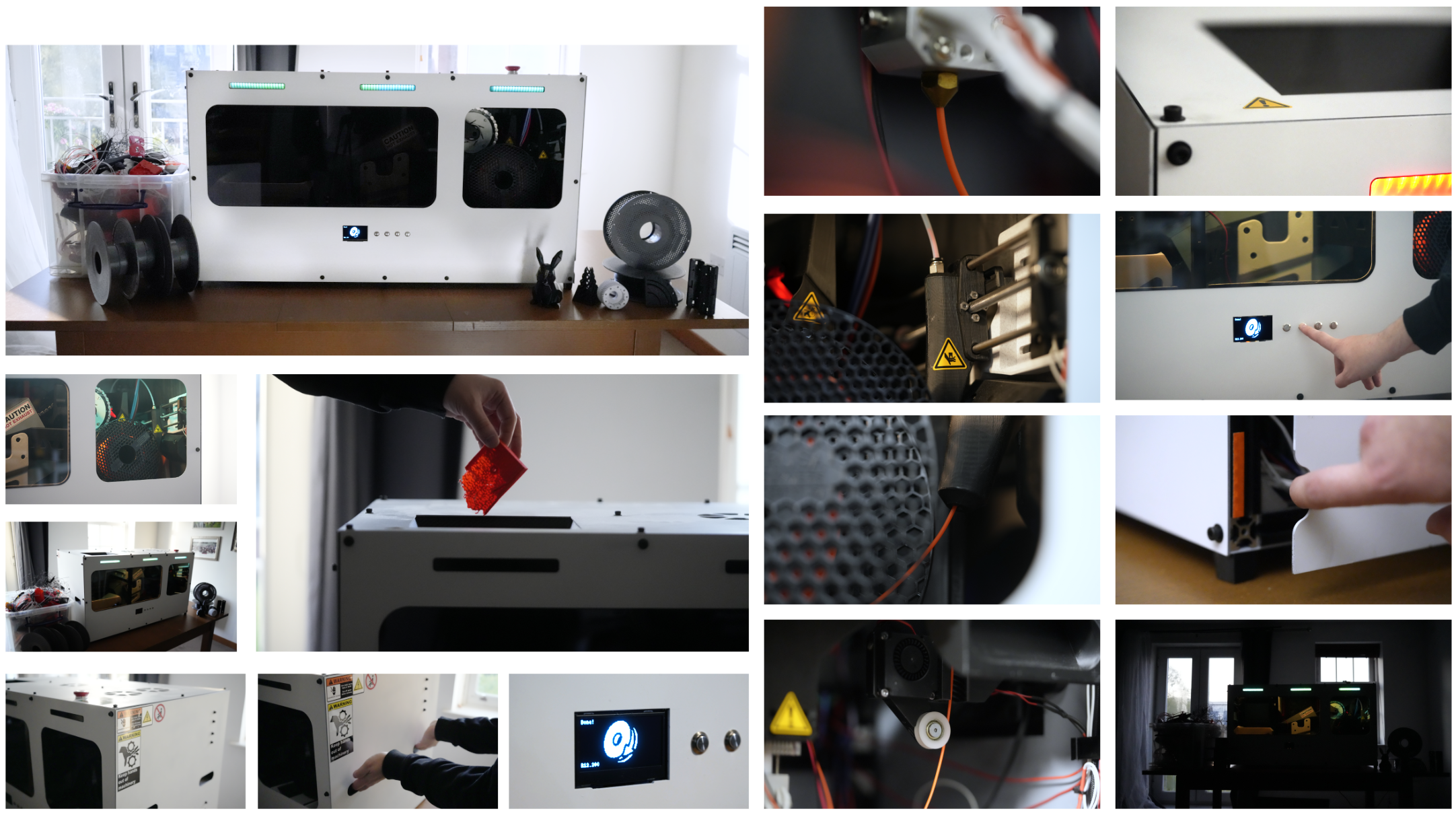
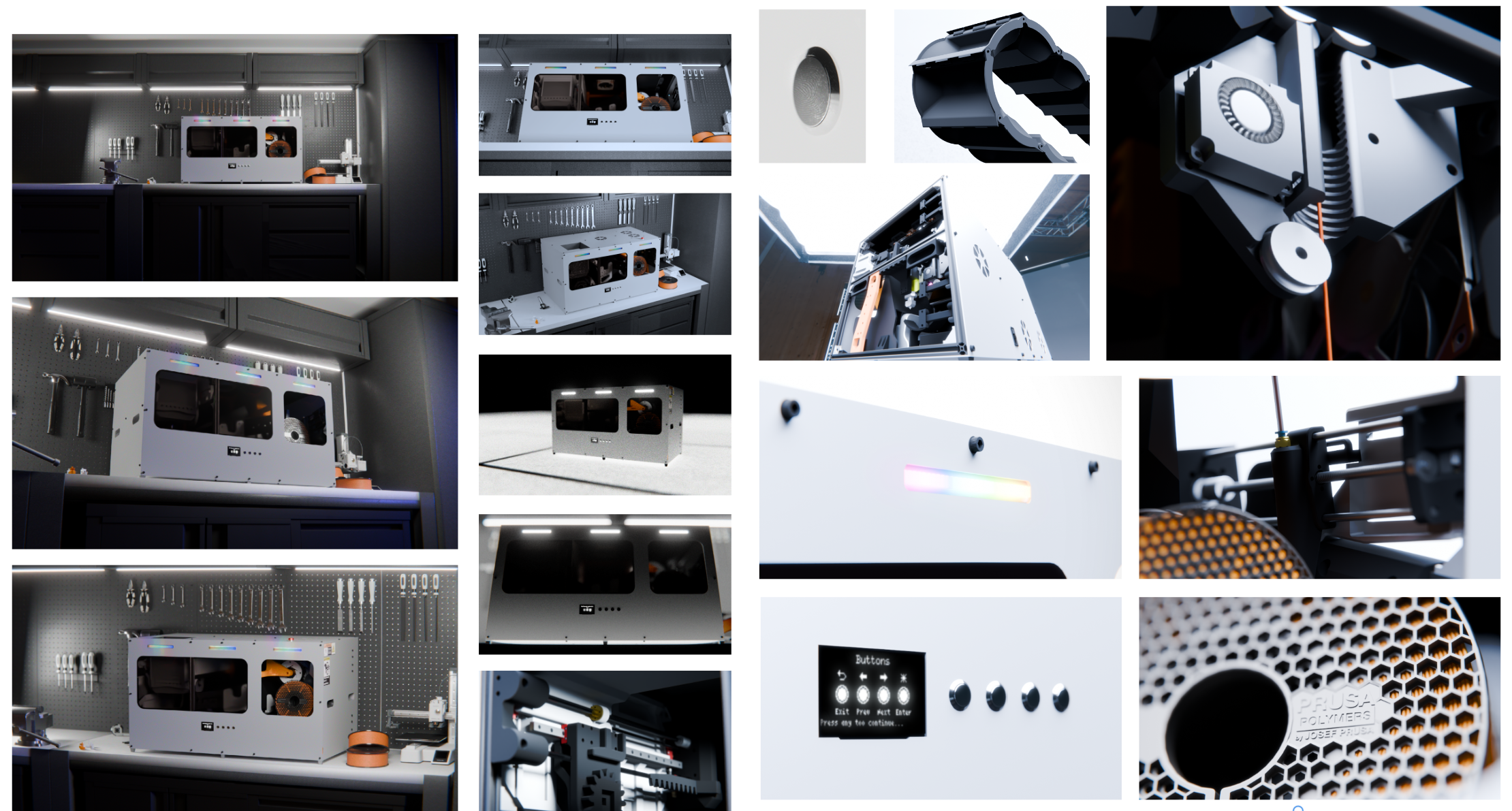
This is my most advanced project up to date. This project took me ~2 years and thousands of dollars. This project simply recycles 3D printed waste back into new spools of filament.
What other recyclers offer is just an extruder and winding system. This however, requires a lot of work and labour to shred and dry the plastic beforehand. My machine combines the shredding and drying stages with the extruding and winding stage.
I used dozens of sensors, and a custom PCB to make this project as fully automatic as possible. More or less a set-and-forget type thing. All you have to do is load in material once in a while.
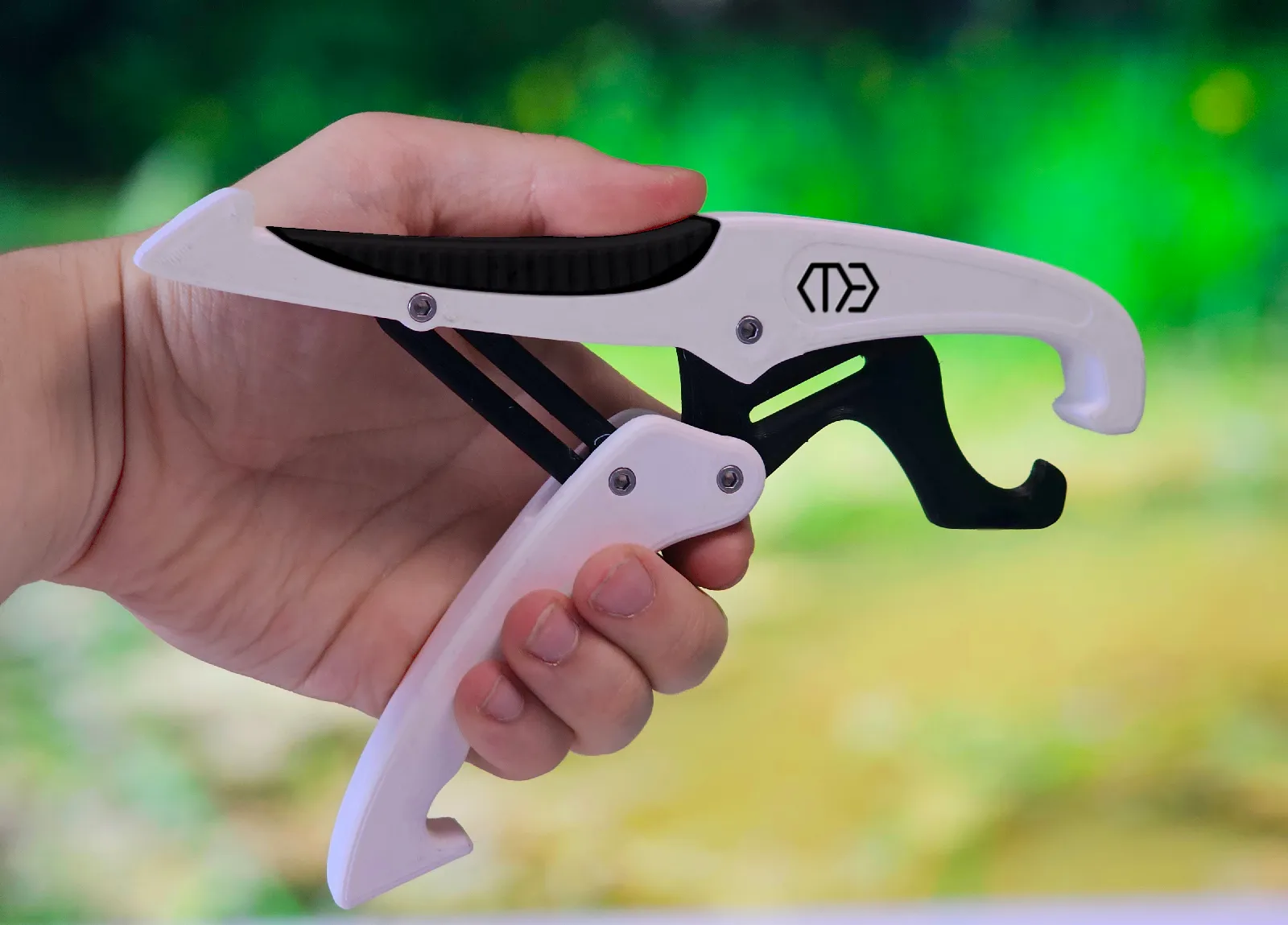
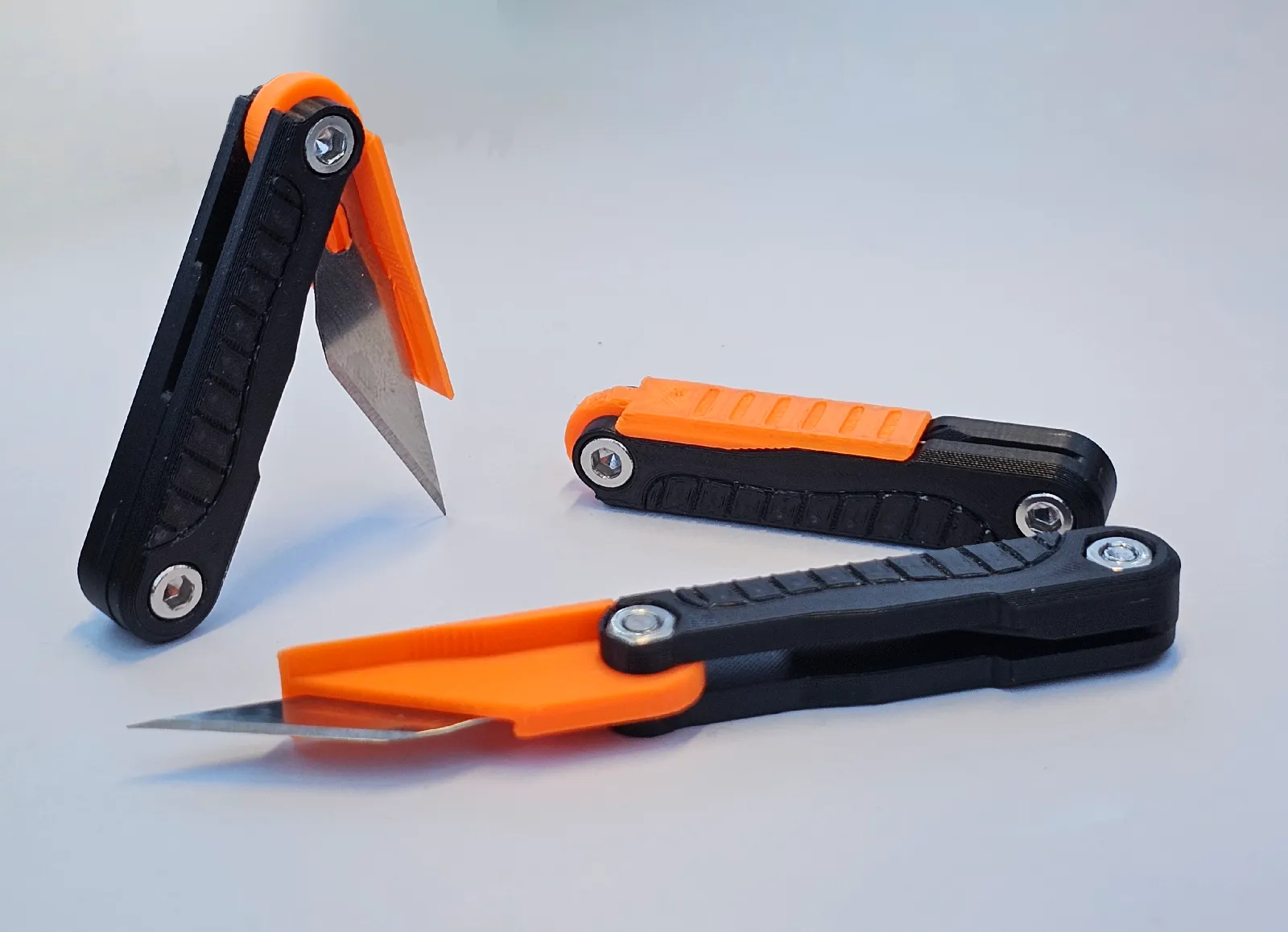
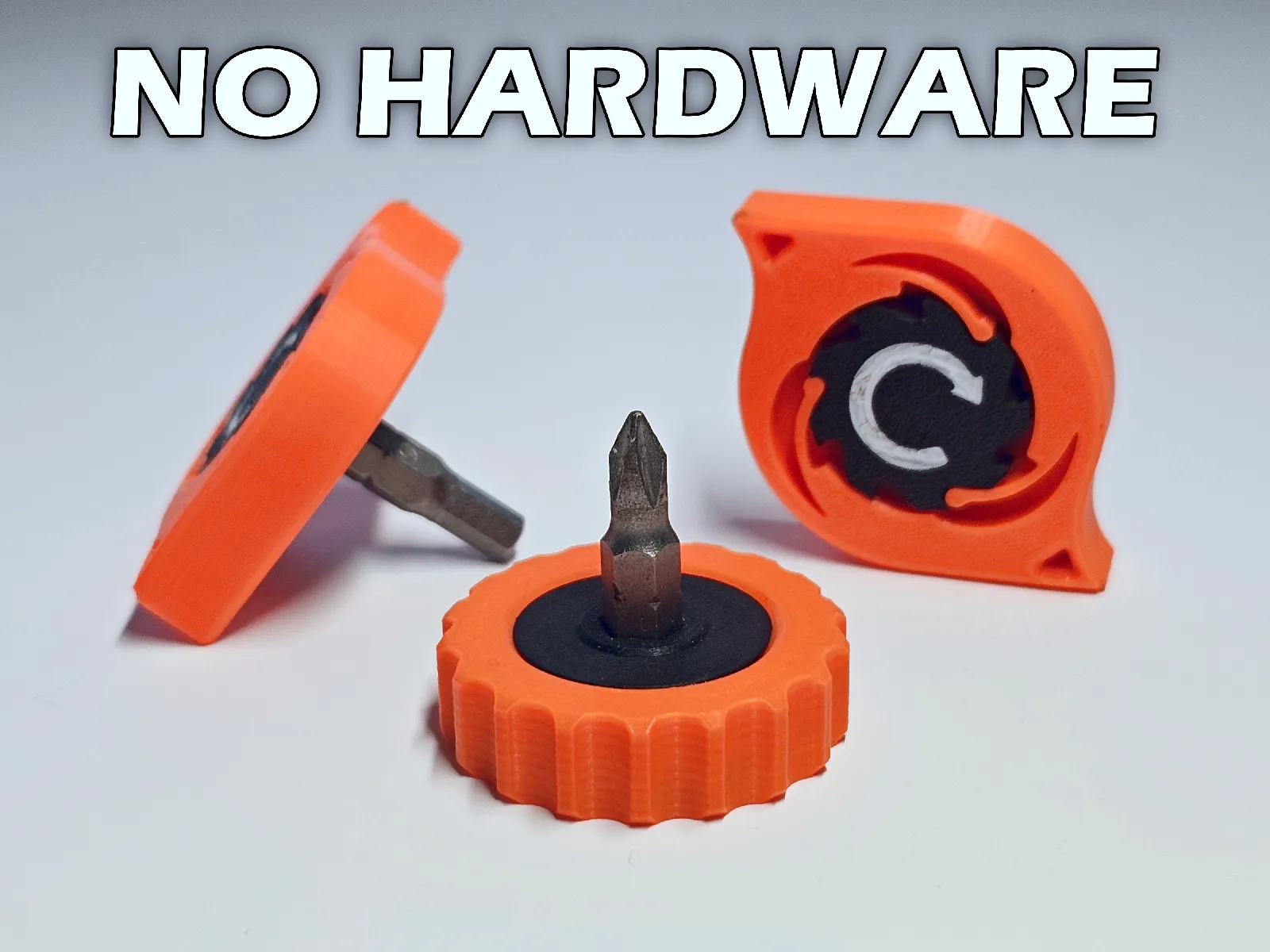
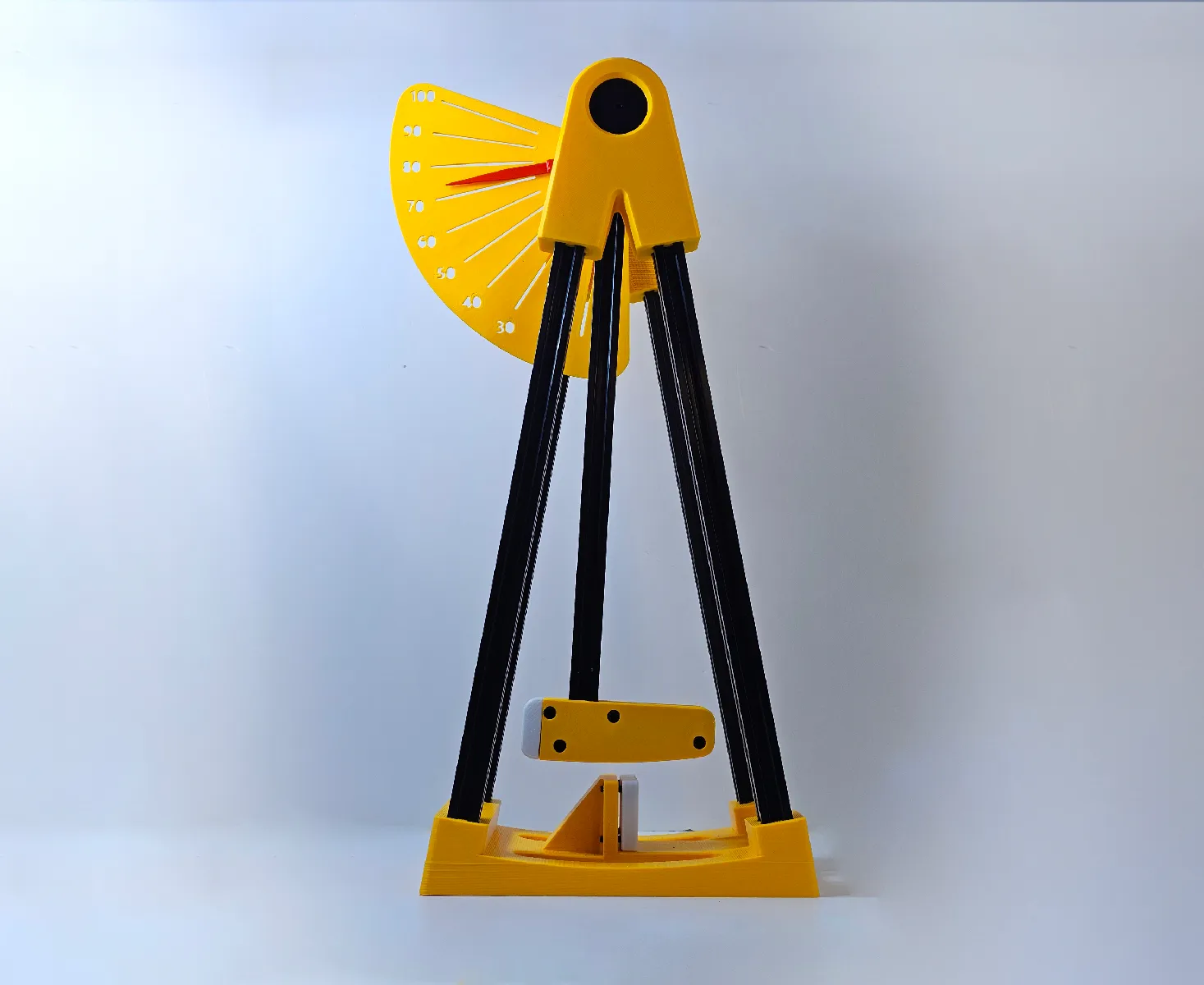
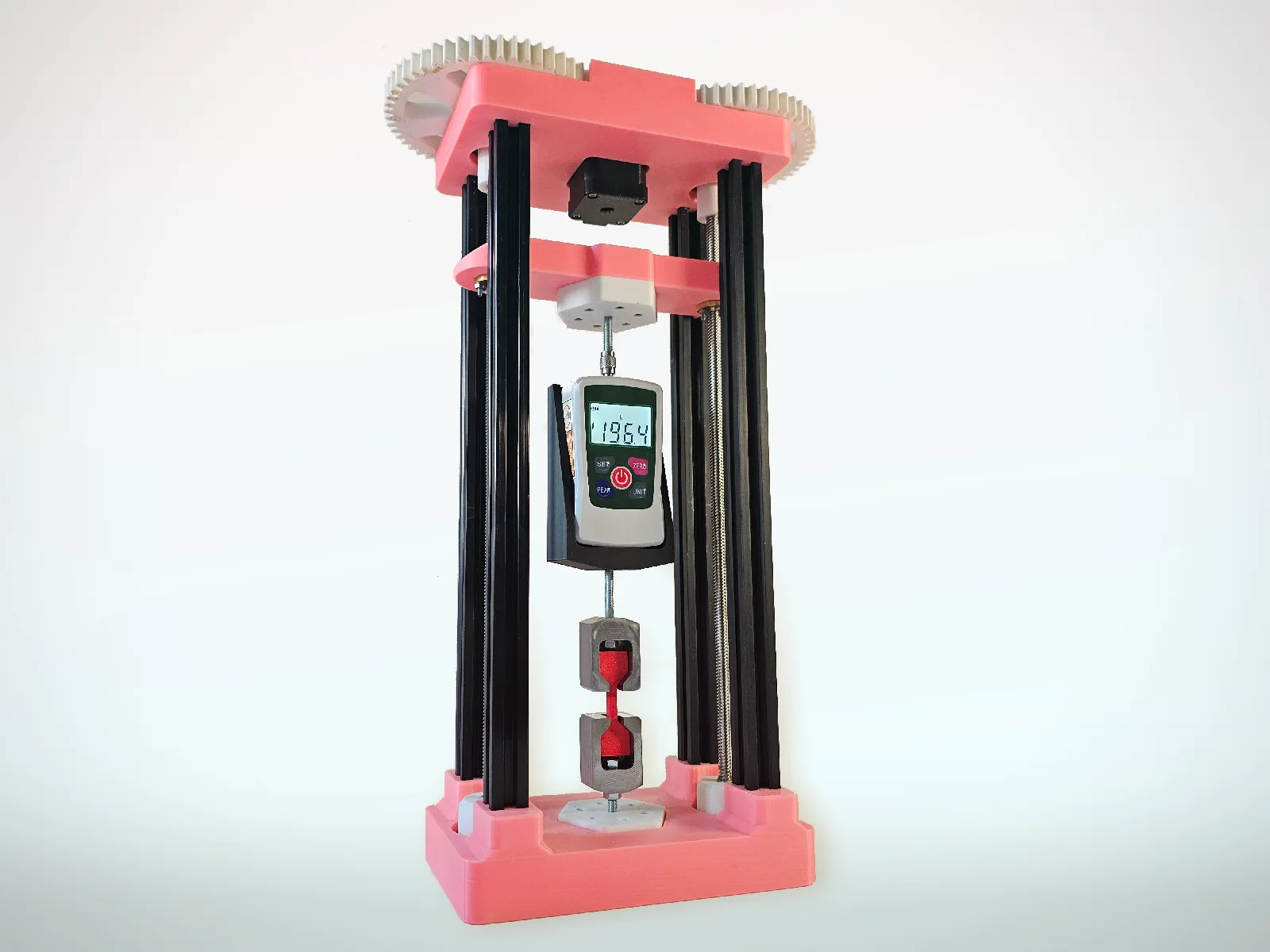
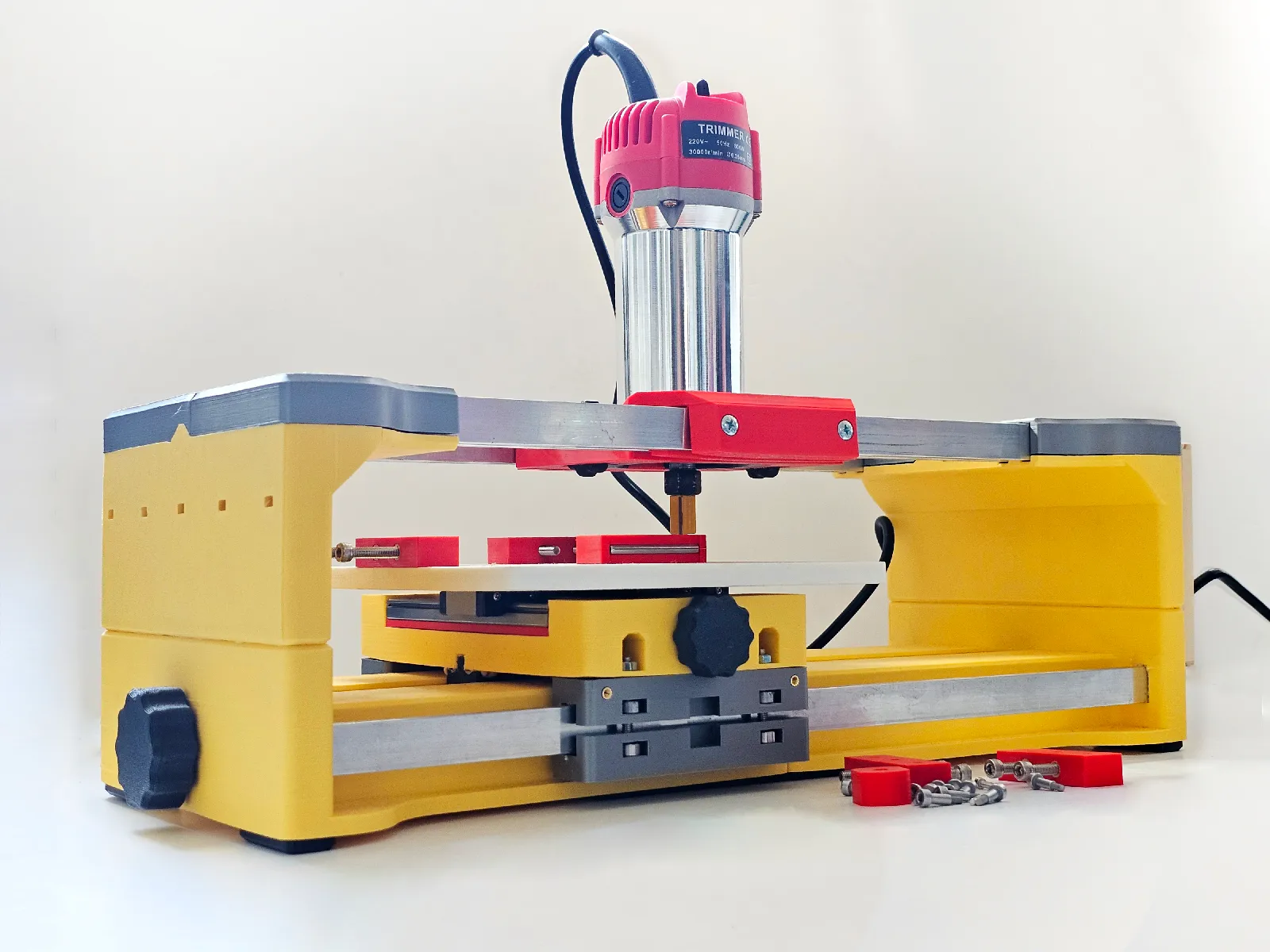
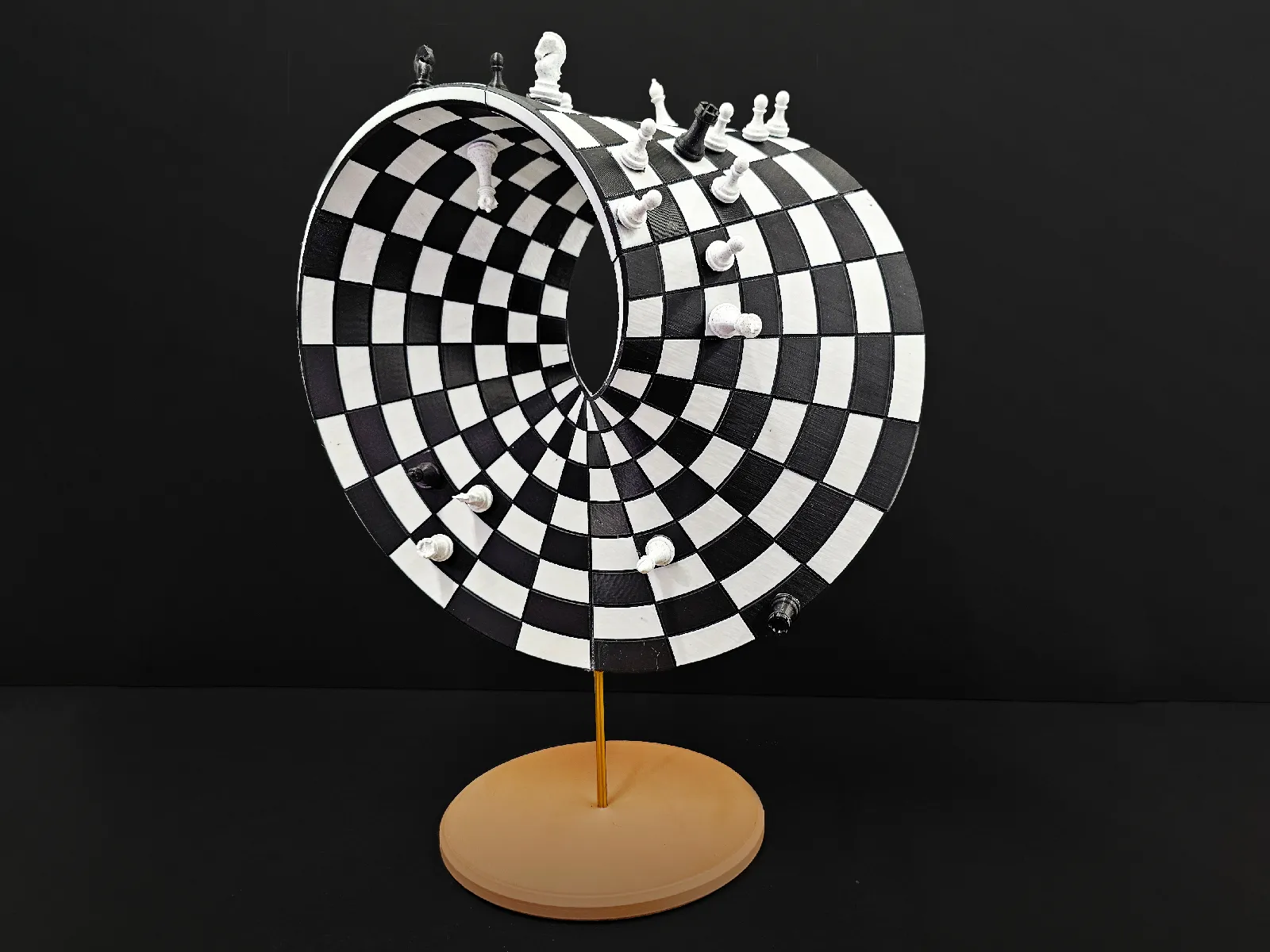
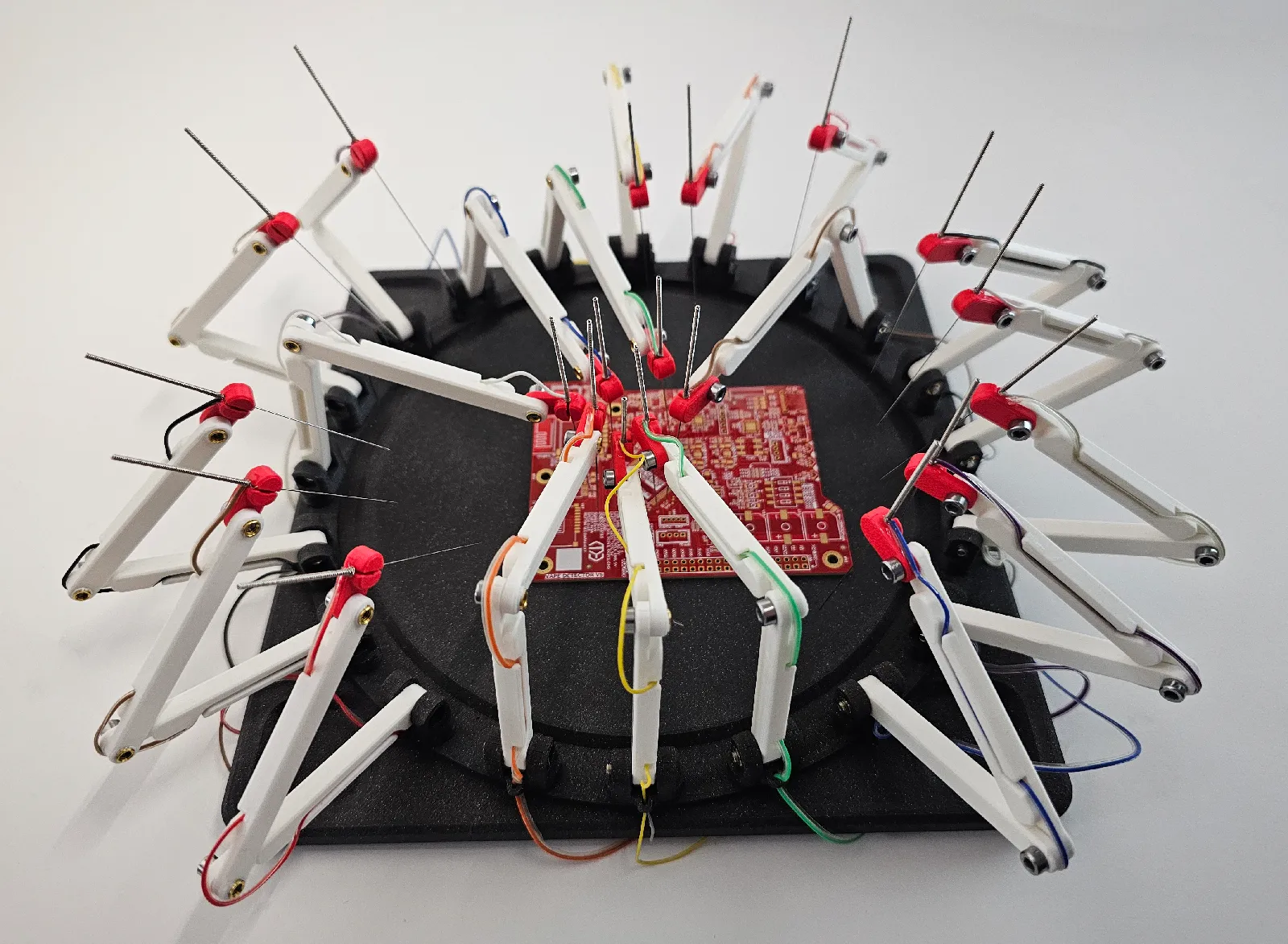
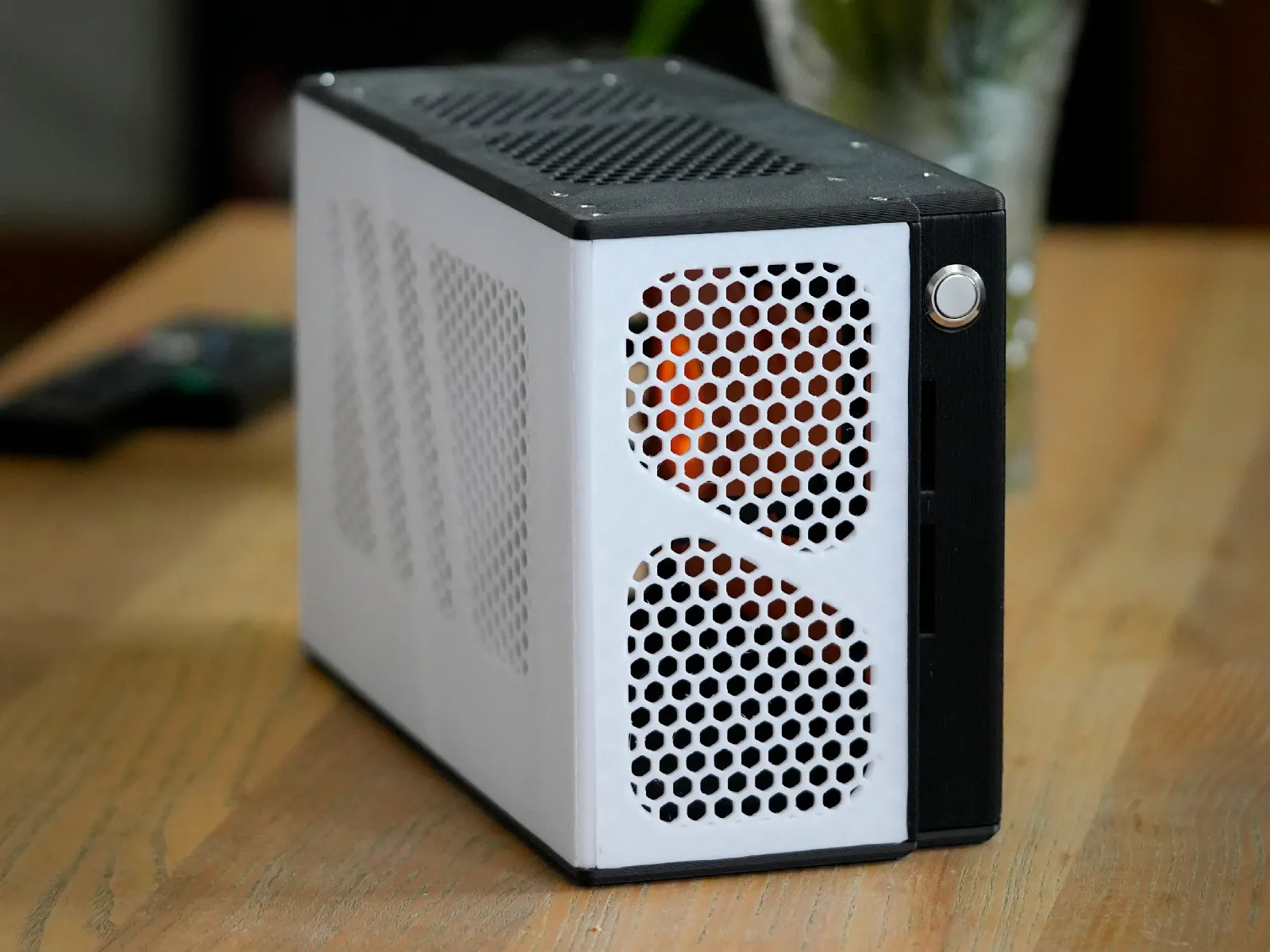
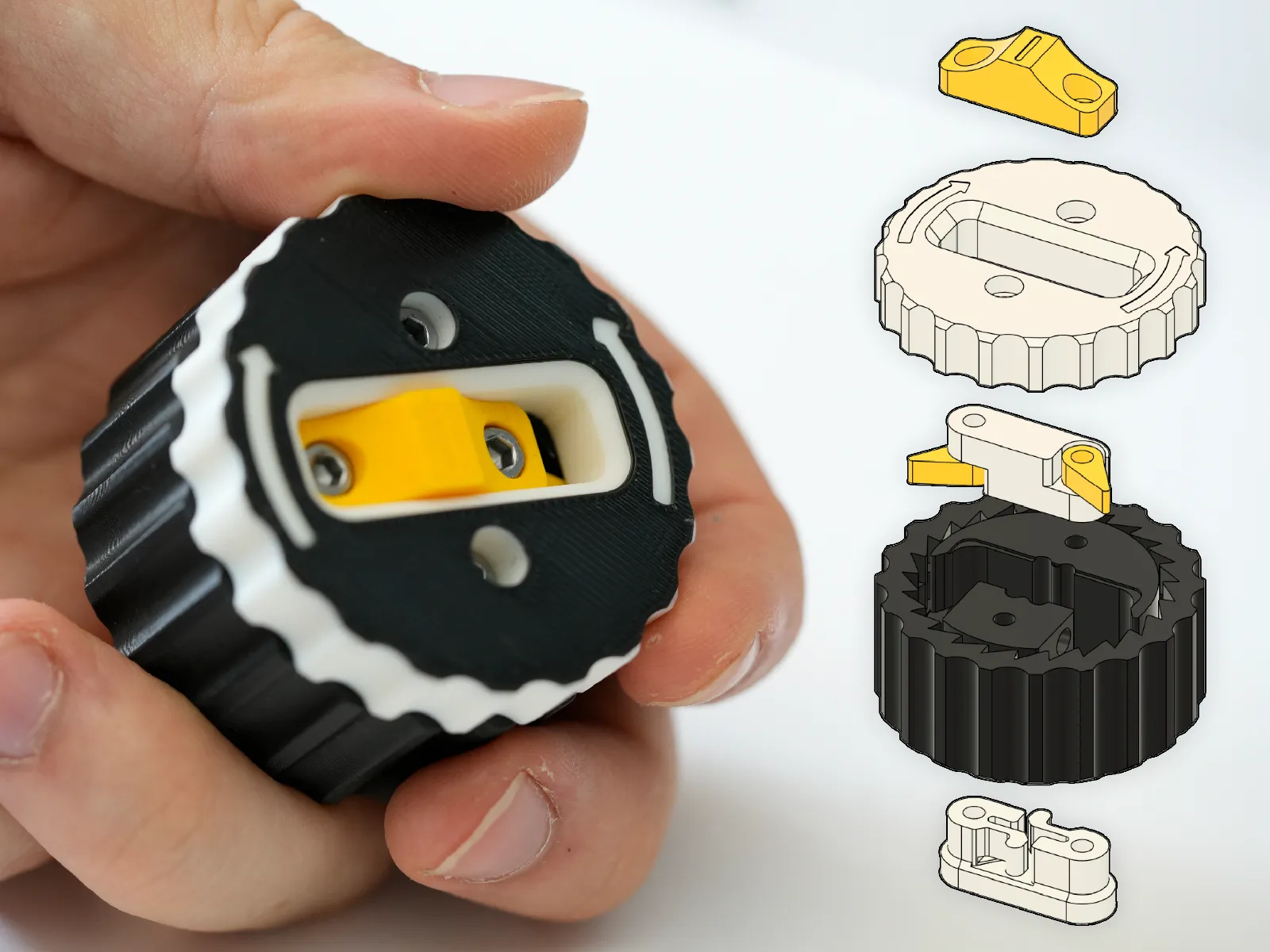
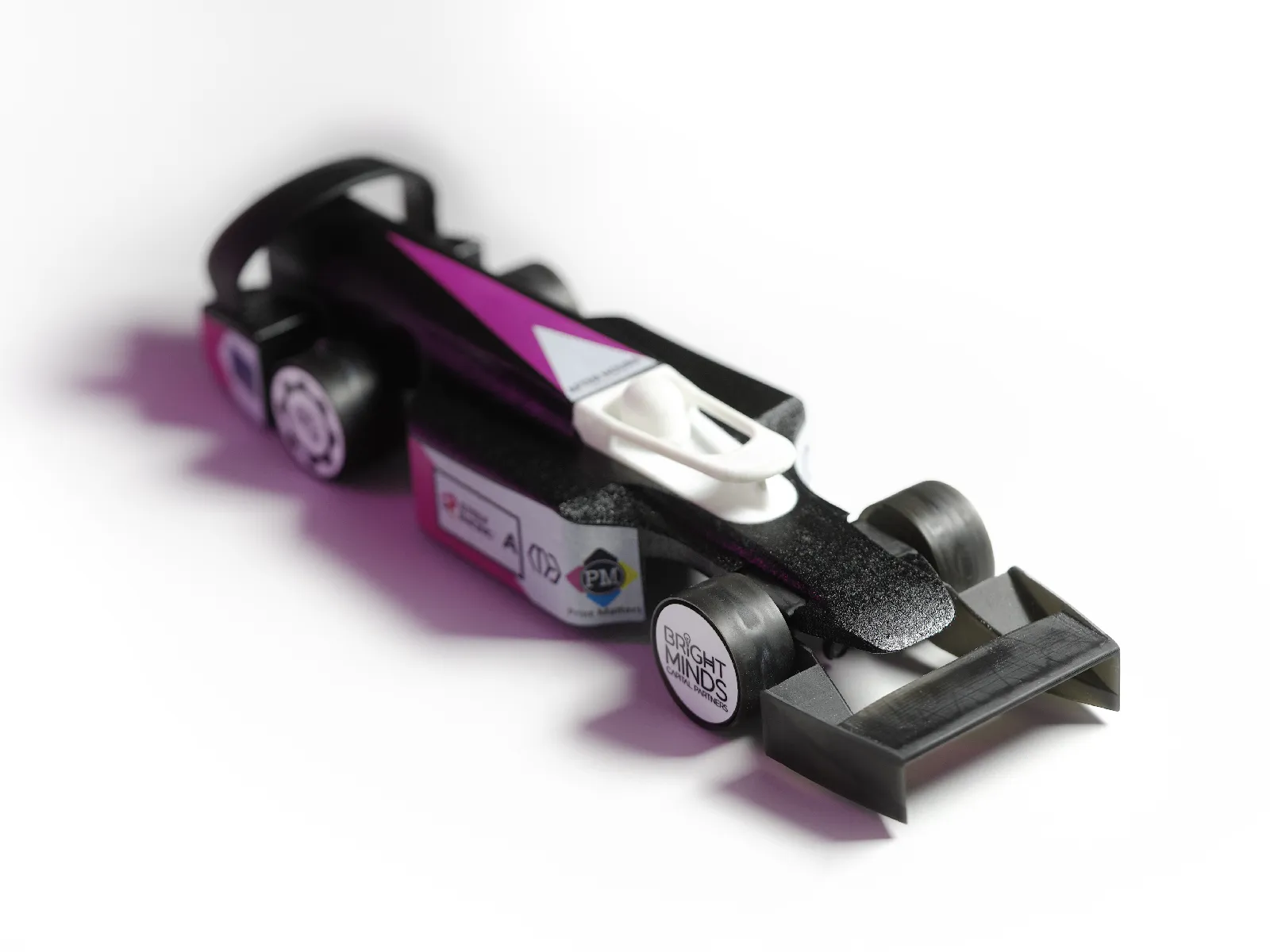
With Over 100 More on Printables!
Skills
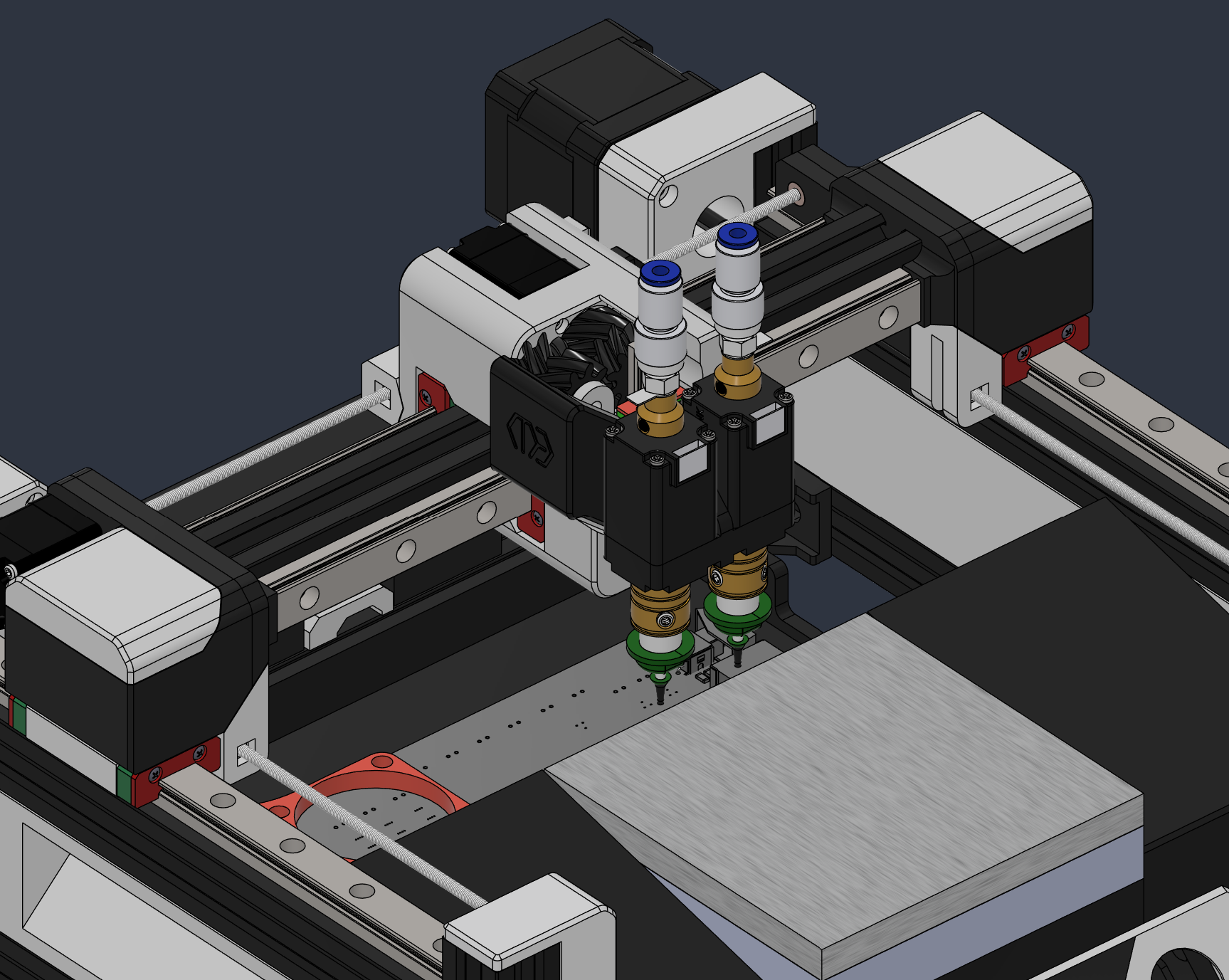
CAD
I am proficient in Autodesk Fusion, and have used it for all of my CAD-based projects. I also know how to use Blender for renders.
3D Printing
I have found that 3D Printers are the best tool to turn your idea into a real, physical thing. Because of that, they have allowed me to make and print my own stuff for over 5 years! Also, I may own 9 printers now, and enjoy tinkering with them all!…
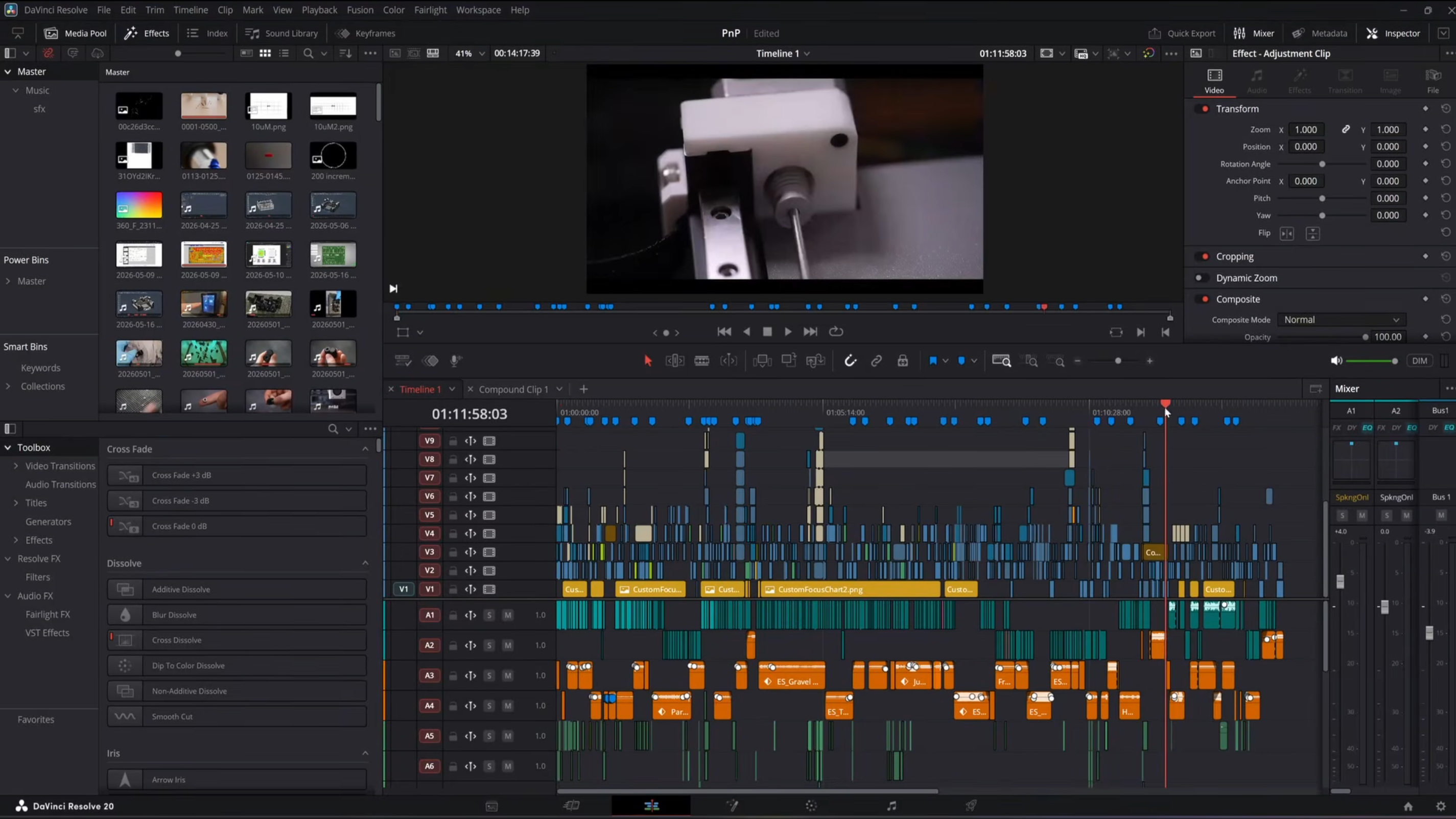
Video Production
I have advanced knowledge of DaVinci Resolve and proper video production technique – especially in regards to “Edutainment” content for YouTube.
Electronics
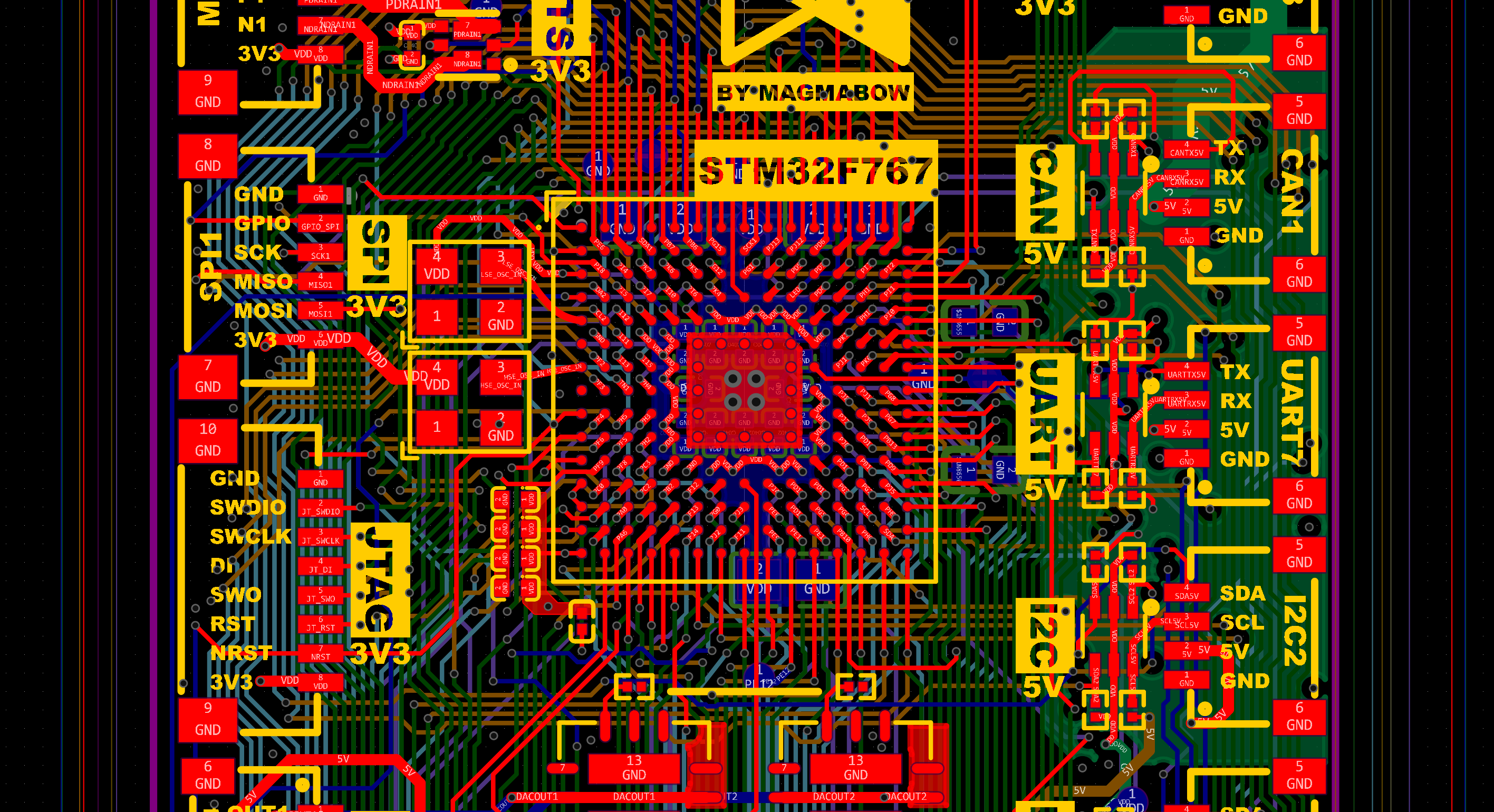
I know PCB Design to a somewhat high level, and still learning! I am more proficient with digital systems but I still have loads of projects I want to make in the future.

Photography/Cinematography
Photography has been one of my more recent hobbies, but I think I’ve gotten the hang of it!
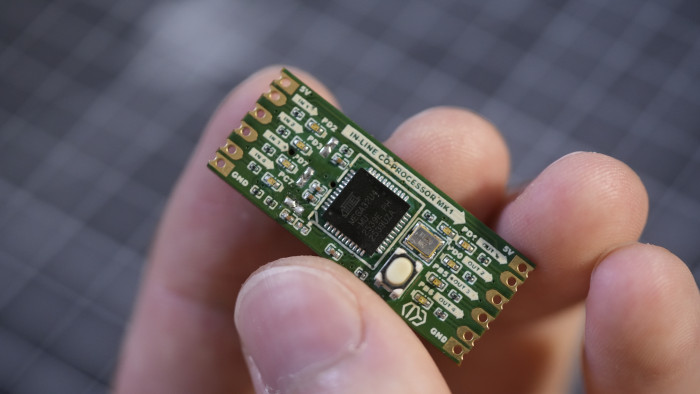
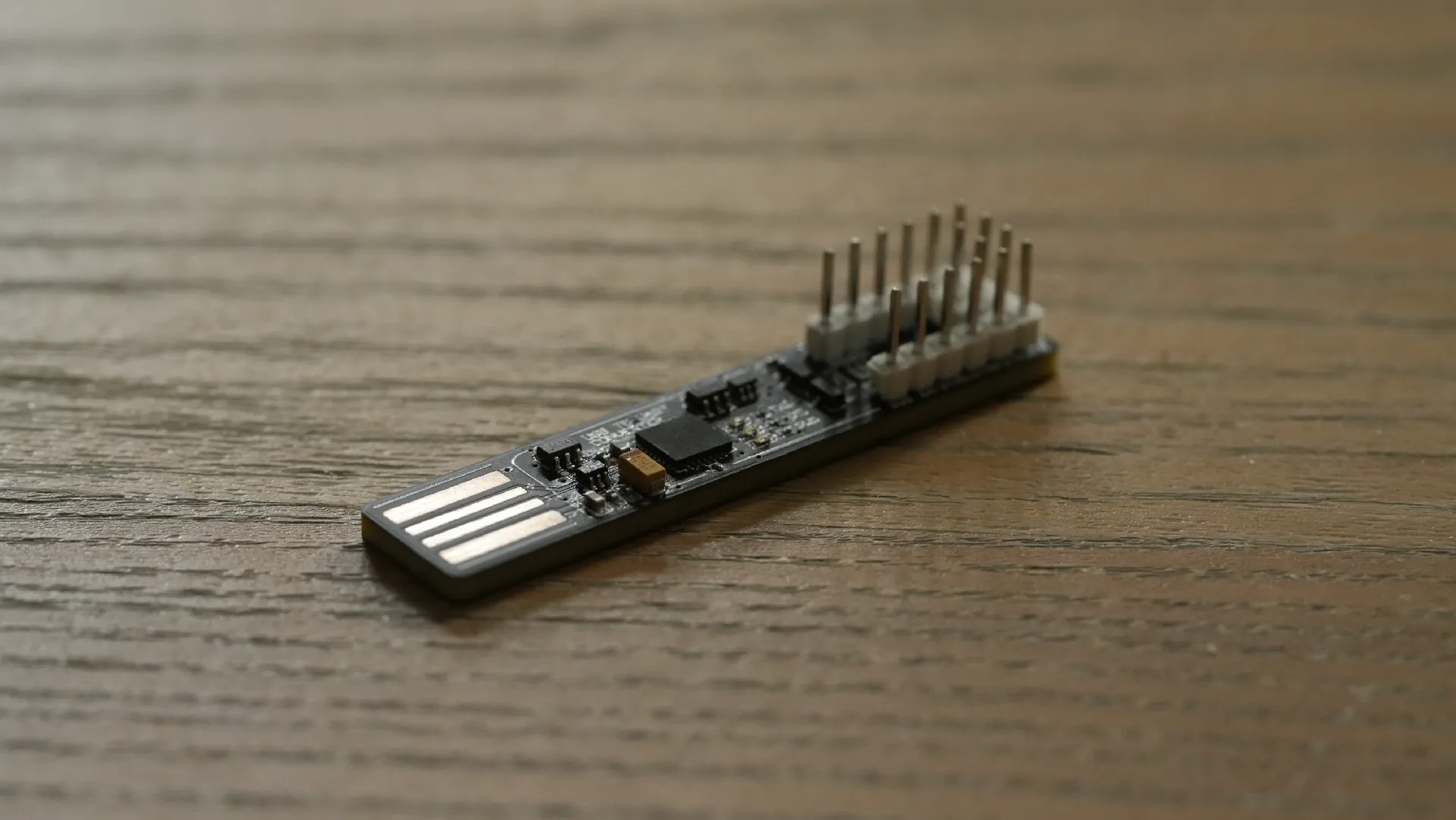
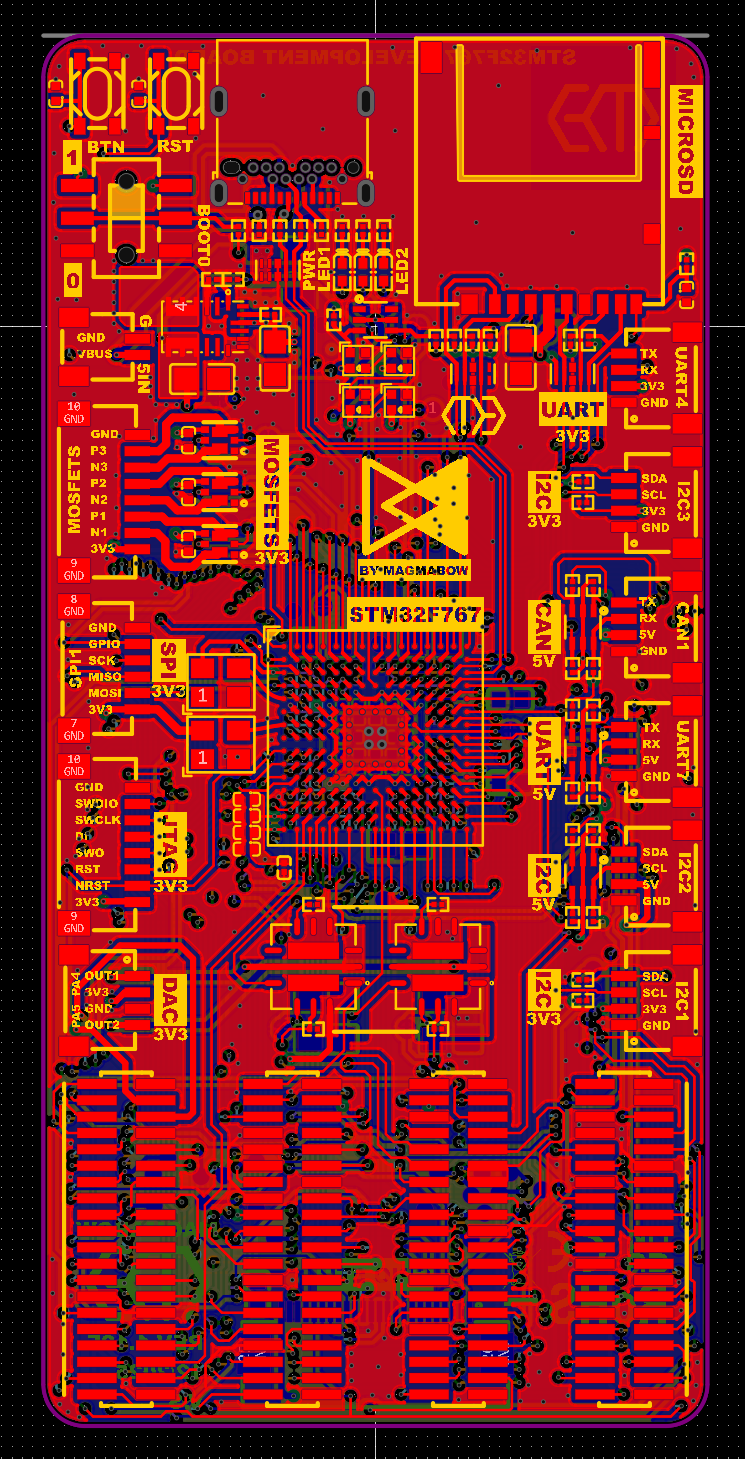
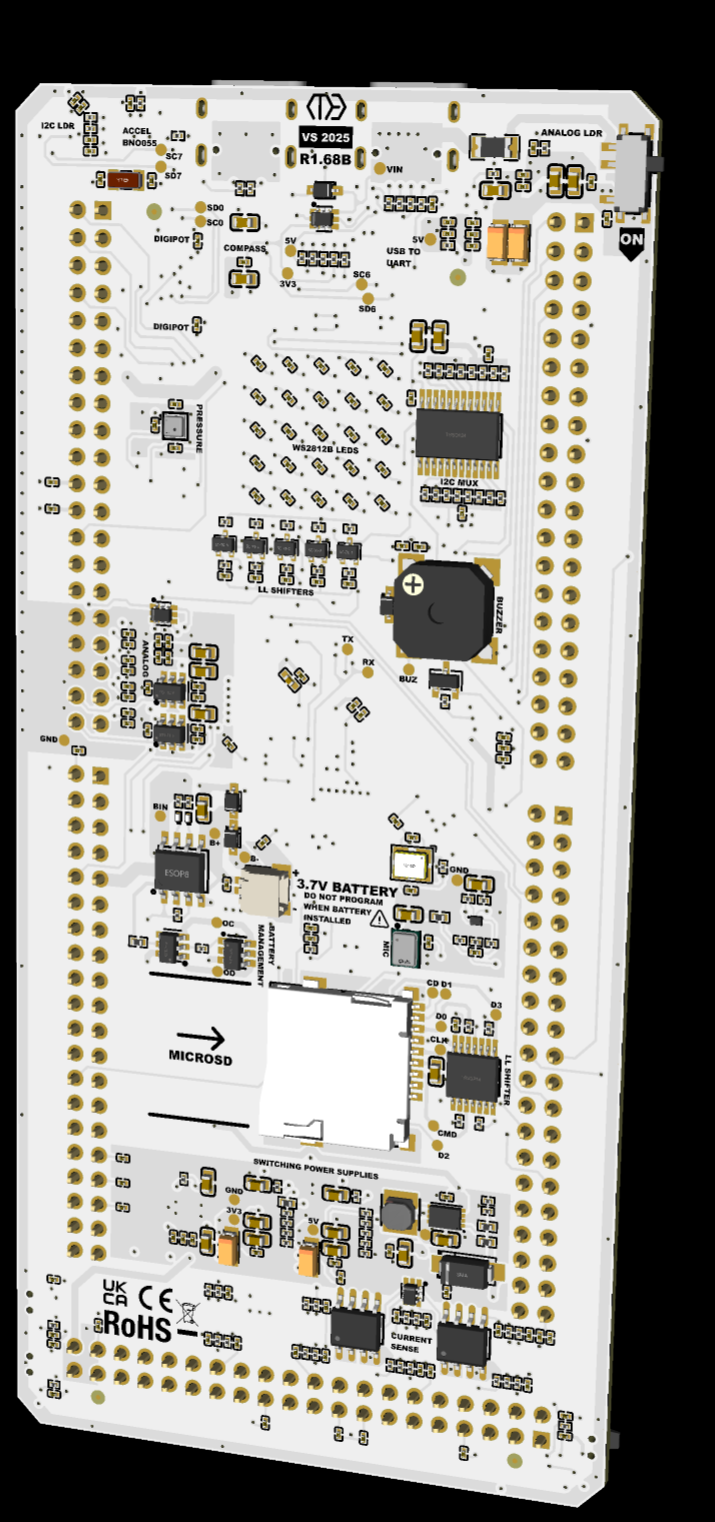
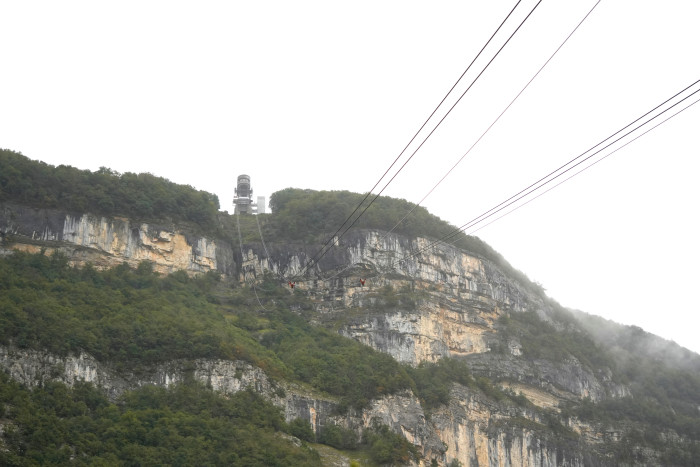
Yes, I took this mountain photo myself!
I currently use a Sony A7 IV with my main lens being the FE 90mm F2.8 Macro G OSS.